

Introduction
Hormonal imbalance in females is a common issue that affects many aspects of health, including mood, energy, metabolism, and reproductive functions. Many women wonder, what is hormonal imbalance in females, especially when they notice irregular periods, sudden weight changes, or fatigue. Understanding what is hormonal imbalance in females helps in identifying symptoms early and taking steps to restore balance.
Hormones like estrogen, progesterone, testosterone, and cortisol work together in a delicate system. When even one hormone is out of balance, it can affect the entire body. This article explores what is hormonal imbalance in females, its causes, symptoms, and effective ways to maintain hormonal health naturally.
What Is Hormonal Imbalance in Females?

Hormonal imbalance in females occurs when the levels of one or more hormones deviate from their normal range. These hormones include estrogen, progesterone, testosterone, cortisol, insulin, and thyroid hormones. Even minor fluctuations can lead to noticeable changes in mood, metabolism, energy levels, sleep patterns, and reproductive health.
Many women wonder, what is hormonal imbalance in females, especially when they notice irregular periods, unexplained fatigue, or sudden weight changes. Recognizing these early signs allows for timely intervention and helps prevent long-term complications.
Highlighted Snippet:
Hormonal imbalance in females can affect menstruation, mood, energy, weight, skin, and hair. Understanding what is hormonal imbalance in females helps with early diagnosis and treatment.
Common Causes of Hormonal Imbalance in Females
Understanding the underlying causes helps in preventing and managing hormonal imbalance effectively.
Chronic Stress
Stress triggers the adrenal glands to release cortisol, which can disrupt estrogen and progesterone levels. Chronic stress is a common factor contributing to what is hormonal imbalance in females, leading to symptoms like fatigue, mood swings, and abdominal weight gain.
Diet and Nutritional Deficiencies
Poor diet, particularly high in sugar and processed foods, affects insulin regulation and can disrupt reproductive hormones. Deficiencies in vitamin D, magnesium, and omega-3 fatty acids can worsen symptoms. Diet is one of the major contributors when asking what is hormonal imbalance in females and how to manage it naturally.
Medical Conditions
Conditions like Polycystic Ovary Syndrome (PCOS), thyroid disorders, and diabetes can cause significant hormonal disruption. PCOS, for example, increases androgen levels, leading to irregular periods, acne, and fertility challenges. Women often search what is hormonal imbalance in females when these conditions impact their daily lives.
Lifestyle Factors
A sedentary lifestyle, poor sleep, and exposure to environmental toxins like BPA and phthalates can negatively affect hormone levels. Excess alcohol and caffeine consumption also contribute to hormonal disruption. Understanding lifestyle factors is essential when considering what is hormonal imbalance in females.
Aging and Reproductive Changes
Perimenopause and menopause bring natural declines in estrogen and progesterone, causing hot flashes, sleep disturbances, and mood changes. Even younger women can experience shifts that raise questions about what is hormonal imbalance in females and how to prevent it.
Symptoms of Hormonal Imbalance in Females
Symptoms of hormonal imbalance vary widely and often overlap with other health issues. Recognizing patterns is key to understanding what is hormonal imbalance in females.
Irregular Menstrual Cycles
Changes in menstrual patterns—skipped cycles, heavy bleeding, or painful cramps—are classic indicators. Irregular cycles are one of the first reasons women explore what is hormonal imbalance in females.
Mood Swings and Emotional Changes
Hormones influence neurotransmitters that regulate mood. Imbalances in estrogen and progesterone can result in irritability, anxiety, or depression. Women frequently search for what is hormonal imbalance in females when mood changes are unexplained.
Weight Fluctuations
Hormonal imbalance can disrupt metabolism, causing weight gain, particularly around the abdomen. Imbalances in cortisol, insulin, and thyroid hormones often trigger these changes.
Fatigue and Sleep Issues
Progesterone, melatonin, and cortisol regulate sleep. Disruption can lead to insomnia, frequent waking, and persistent fatigue, prompting many to ask, what is hormonal imbalance in females.
Hair, Skin, and Reproductive Changes
Acne, excessive hair growth, hair thinning, and irregular ovulation are physical manifestations. Skin elasticity may decrease, and decreased estrogen accelerates aging. Understanding what is hormonal imbalance in females helps women take action early.
Key Hormones in Females and Their Functions
| Hormone | Function | Imbalance Symptoms |
|---|---|---|
| Estrogen | Regulates menstrual cycle, supports bone health, affects mood | Hot flashes, irregular periods, mood swings |
| Progesterone | Prepares uterus for pregnancy, stabilizes mood | Anxiety, sleep issues, irregular periods |
| Testosterone | Supports libido, energy, muscle mass | Acne, excess hair growth, low libido |
| Cortisol | Manages stress, regulates metabolism | Fatigue, weight gain, anxiety |
| Thyroid Hormones | Controls metabolism, energy, body temperature | Weight changes, hair loss, fatigue |
| Insulin | Regulates blood sugar | Weight gain, fatigue, sugar cravings |
Knowing how these hormones function is essential for understanding what is hormonal imbalance in females and the ways to correct it.
Diagnosing Hormonal Imbalance in Females
Proper diagnosis is essential for effective treatment of what is hormonal imbalance in females.
Medical History and Symptom Review
Doctors review menstrual patterns, lifestyle habits, stress levels, and family history of hormonal issues.
Blood Tests
Blood tests measure hormone levels such as estrogen, progesterone, testosterone, thyroid hormones, and cortisol. Timing these tests according to the menstrual cycle ensures accuracy.
Imaging and Physical Exams
Ultrasound or MRI may be required for PCOS, ovarian cysts, or pituitary disorders. Physical exams can reveal hirsutism, weight distribution, and skin changes.
Treatment Options for Hormonal Imbalance
Treatment strategies for what is hormonal imbalance in females focus on restoring hormone balance naturally and medically.
Lifestyle Modifications
Sleep, exercise, stress management, and a balanced diet improve hormonal function. Regular lifestyle adjustments can significantly reduce symptoms.
Medications and Hormone Therapy
Doctors may recommend thyroid medications, insulin regulators, or birth control pills. Hormone Replacement Therapy (HRT) can help women in perimenopause or menopause.
Natural Supplements
Magnesium, vitamin D, omega-3 fatty acids, and herbal supplements like Vitex support hormonal health.
Surgical Options
Surgery is considered for severe ovarian cysts or thyroid issues when other treatments fail.
Diet Recommendations for Hormonal Balance
Nutrition plays a key role in addressing what is hormonal imbalance in females naturally:
- Protein: Eggs, fish, legumes, and lean meats help regulate insulin and support reproductive hormones.
- Healthy Fats: Avocado, nuts, seeds, and fatty fish aid estrogen and brain health.
- Fiber and Whole Grains: Stabilize blood sugar and reduce inflammation.
- Cruciferous Vegetables: Broccoli, cauliflower, and kale help metabolize excess estrogen.
- Reduce Sugar and Processed Foods: Prevent spikes in insulin and inflammation.
Exercise and Hormonal Health
Physical activity supports hormone regulation:
- Strength Training: Boosts testosterone and metabolism.
- Cardio Workouts: Improves insulin sensitivity and cardiovascular health.
- Yoga and Pilates: Reduces cortisol and enhances mood.
Moderate daily exercise like brisk walking can improve overall hormonal balance, aiding in understanding what is hormonal imbalance in females.
Common Hormonal Disorders in Females
Polycystic Ovary Syndrome (PCOS)
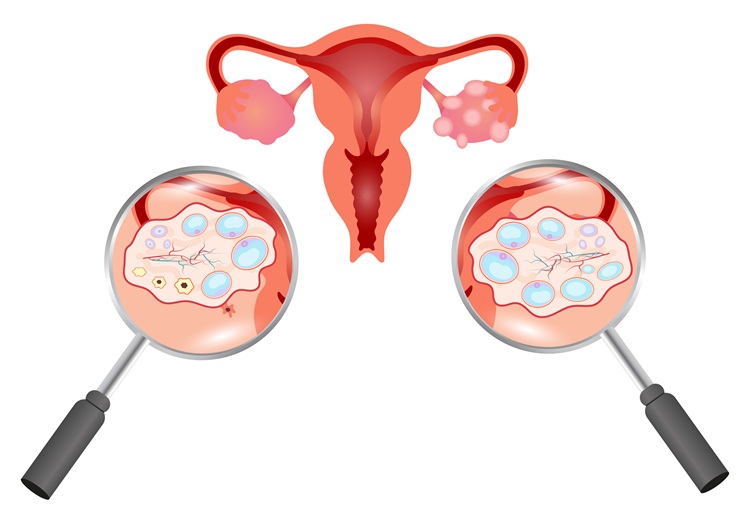
PCOS causes elevated androgen levels, irregular periods, acne, hair growth, and fertility challenges.
Thyroid Disorders
Hypothyroidism slows metabolism; hyperthyroidism accelerates metabolism. Both can cause fatigue, hair loss, and weight changes.
Menopause and Perimenopause
Declining estrogen and progesterone cause hot flashes, sleep issues, and mood swings.
Premenstrual Syndrome (PMS)
Hormonal fluctuations before menstruation result in bloating, fatigue, mood swings, and irritability.
Preventive Measures for Hormonal Imbalance
- Maintain a healthy weight and active lifestyle.
- Practice stress-reduction techniques like meditation.
- Avoid endocrine-disrupting chemicals in plastics and personal care products.
- Ensure adequate sleep and maintain a routine.
- Schedule routine health check-ups.
Preventive care is essential to reduce the risk of what is hormonal imbalance in females progressing to more severe conditions.
When to See a Doctor
Consult a doctor if you experience:
- Irregular or absent menstrual cycles
- Unexplained fatigue or weight changes
- Severe mood swings or anxiety
- Hair loss, excess hair growth, or acne
- Sleep disturbances not resolved by lifestyle changes
Early diagnosis ensures better outcomes for women seeking answers to what is hormonal imbalance in females.
FAQs About Hormonal Imbalance in Females
Q1: What is hormonal imbalance in females?
Hormonal imbalance occurs when hormone levels deviate from normal, affecting menstruation, mood, energy, and overall health.
Q2: Can stress cause hormonal imbalance?
Yes, prolonged stress elevates cortisol, disrupting estrogen and progesterone levels.
Q3: How is hormonal imbalance diagnosed?
Through blood tests, symptom review, physical exams, and sometimes imaging.
Q4: Can hormonal imbalance affect fertility?
Yes, irregular ovulation or low progesterone can reduce fertility.
Q5: Are natural remedies effective?
Diet, exercise, stress management, and supplements can naturally improve hormone regulation.
Q6: How can I prevent hormonal imbalance?
Healthy lifestyle, balanced diet, regular exercise, stress management, and regular check-ups reduce risk.
Conclusion
Hormonal imbalance in females is a widespread issue with physical, emotional, and reproductive consequences. Causes range from stress, diet, and lifestyle factors to medical conditions and natural aging. Recognizing symptoms like irregular periods, mood swings, fatigue, and weight changes is essential for early intervention.
Treatment involves lifestyle adjustments, dietary changes, exercise, supplements, and, if needed, medical intervention. Understanding what is hormonal imbalance in females helps women take proactive steps to restore balance, improve health, and prevent complications.
Track cycles, manage stress, eat a nutrient-rich diet, exercise regularly, and consult a healthcare professional for persistent symptoms. Proactively addressing what is hormonal imbalance in females ensures a healthier, more energetic, and balanced life.
Read More:-Understanding the Differences Between PCOD vs PCOS: Key Insights