
Introduction
Hormonal health is a cornerstone of overall well-being, yet many women face confusion when it comes to PCOD and PCOS. At first glance, these conditions seem almost identical because both involve cysts on the ovaries and irregular periods. However, the reality is far more nuanced. Understanding PCOD vs PCOS is not just about managing menstrual cycles; it’s about recognizing the deeper hormonal and metabolic impacts on the body and taking early action to protect long-term health.
Both PCOD and PCOS arise from hormonal imbalances, but they affect the body in different ways. Women with PCOD often have a milder form of ovarian disruption, where the ovaries produce eggs irregularly, leading to small cysts. Fertility may be slightly affected, but natural conception is usually possible. On the other hand, PCOS is a systemic condition. It not only interferes with ovulation but also alters metabolism, increases insulin resistance, and can lead to complications like weight gain, acne, excessive hair growth, and even long-term risks like diabetes and heart disease.
In this article, we’ll explore these conditions in depth, comparing their causes, symptoms, treatments, and long-term consequences. We’ll also provide practical guidance for lifestyle management, fertility, and overall wellness, helping you understand which condition you might be dealing with and how to approach it effectively.
What Is PCOD?
Polycystic Ovarian Disease (PCOD) is a condition where the ovaries produce eggs irregularly, often leading to small cyst formation. This irregularity is usually due to hormonal fluctuations, specifically imbalances between estrogen and progesterone. Unlike PCOS, PCOD is generally milder and tends to respond well to diet, exercise, and minor medical interventions.
Many women with PCOD notice subtle signs like irregular periods, mild weight gain, or occasional facial hair. Some only realize they have it when trying to conceive. While fertility may be slightly impacted, most women can still conceive naturally with minimal intervention. PCOD is primarily a reproductive issue rather than a systemic metabolic disorder, which is why it is usually considered easier to manage.
PCOD is a mild ovarian disorder characterized by irregular ovulation and small ovarian cysts, usually manageable through lifestyle changes.
What Is PCOS?
Polycystic Ovary Syndrome (PCOS), while sharing some similarities with PCOD, is a more complex and systemic condition. Women with PCOS often experience high androgen levels, which can lead to acne, hair thinning, and excessive facial or body hair. PCOS is also closely associated with metabolic issues, including insulin resistance, weight gain, and an increased risk of diabetes and cardiovascular problems.
Unlike PCOD, PCOS can significantly impact fertility. Irregular or absent ovulation is common, meaning women may require medical assistance to conceive. The condition also affects other aspects of health, such as energy levels, mood, and overall metabolic balance. In essence, while PCOD affects primarily ovarian function, PCOS has far-reaching effects on the body.
PCOS is not only a reproductive condition but a systemic disorder that affects metabolism, hormones, and long-term health.
PCOD vs PCOS: Understanding the Differences
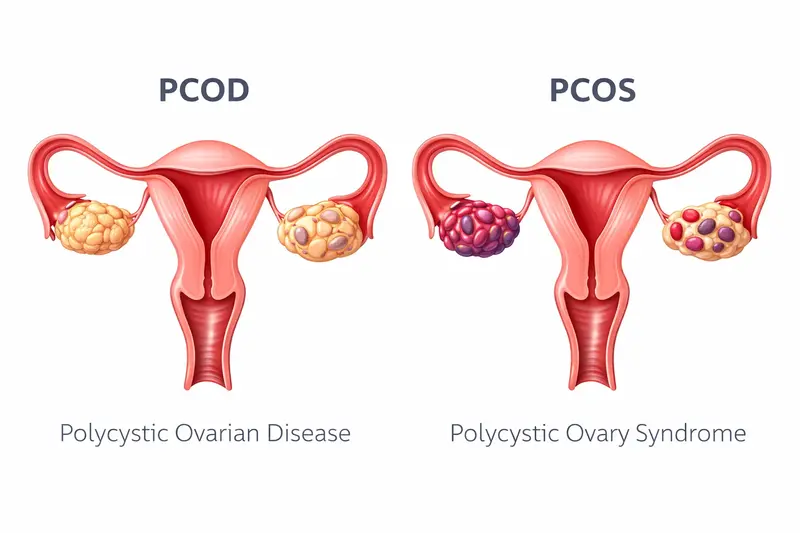
It is easy to confuse PCOD vs PCOS because both involve ovarian cysts and irregular cycles. However, the key differences lie in severity, hormonal imbalance, fertility implications, and long-term risks.
| Feature | PCOD | PCOS |
|---|---|---|
| Severity | Mild; usually manageable | Severe; requires medical supervision |
| Hormonal Imbalance | Slight increase in male hormones | High androgen levels with noticeable effects |
| Ovarian Appearance | Small cysts, mild enlargement | Enlarged ovaries with multiple cysts |
| Menstrual Cycle | Irregular but ovulation may occur | Very irregular or absent ovulation |
| Weight Impact | Mild, often controllable | Significant, difficult to manage |
| Fertility | Usually unaffected | May require medical intervention |
| Long-Term Risks | Low | High (diabetes, heart disease) |
| Treatment | Lifestyle changes and mild medication | Combination of medical treatment and lifestyle management |
Recognizing the differences between PCOD vs PCOS early allows for more effective management and reduces long-term health risks.
Causes of PCOD
The exact cause of PCOD remains unclear, but it generally arises from mild hormonal imbalance combined with lifestyle and genetic factors. Women with a family history of PCOD are more susceptible, and factors like diet, physical activity, and stress levels can influence the severity. Mild fluctuations in estrogen and progesterone can disrupt ovulation, leading to the formation of small ovarian cysts.
Despite these challenges, PCOD is generally manageable. Many women see significant improvement through healthy lifestyle practices that regulate weight, reduce stress, and promote hormonal balance. This makes early detection crucial, as timely intervention can prevent complications and maintain fertility.
Causes of PCOS
PCOS is more complex than PCOD and often involves a combination of hormonal, genetic, and metabolic factors. Insulin resistance is a major contributor, triggering increased androgen production and disrupting normal ovulation. Chronic inflammation may exacerbate symptoms, while genetic predisposition increases the risk for women with a family history of the condition.
Unlike PCOD, PCOS is not solely an ovarian disorder—it affects multiple systems, including metabolism and cardiovascular health. This systemic nature means that treatment often requires a holistic approach combining medication, lifestyle management, and sometimes fertility interventions.
Symptoms of PCOD vs PCOS
The symptoms of both conditions overlap but differ in intensity and systemic impact.
- PCOD Symptoms: Irregular menstrual cycles, mild weight gain, slight acne, occasional facial hair, and small ovarian cysts detectable via ultrasound. Fatigue or minor mood changes may occur.
- PCOS Symptoms: Severe menstrual irregularities or absence of periods, pronounced acne, excessive hair growth, hair thinning, significant weight gain, insulin resistance, and fertility challenges.
The severity of symptoms often helps distinguish between PCOD and PCOS. Monitoring changes in cycles, weight, and skin or hair health can provide early indicators of the underlying condition.
A gynecologist can help differentiate PCOD vs PCOS through hormonal testing and ultrasound imaging.
Diagnosis and Medical Assessment

Diagnosis involves both clinical evaluation and laboratory testing.
- PCOD: Mild ovarian cysts appear on ultrasound, hormonal tests show slight androgen elevation, and clinical examination may reveal mild acne or weight gain.
- PCOS: Enlarged ovaries with multiple cysts, high androgen levels, insulin resistance, and severe clinical symptoms like excessive hair growth and irregular cycles.
Early diagnosis is essential. While PCOD can often be managed with lifestyle changes alone, PCOS usually requires a combination of medical treatment and lifestyle management.
Treatment and Management
PCOD treatment typically involves lifestyle modification, such as a balanced diet, exercise, and stress management. Mild medications may be prescribed for hormonal balance or to regulate cycles. Most women respond well, and fertility is rarely significantly affected.
PCOS treatment is more involved. Medication may be needed to regulate cycles, reduce androgen levels, and manage insulin resistance. Women with fertility concerns may require ovulation-inducing drugs or assisted reproductive techniques. Lifestyle interventions remain crucial, as maintaining a healthy weight and managing blood sugar can significantly improve outcomes.
Lifestyle Considerations
Healthy lifestyle choices are beneficial for both PCOD and PCOS. A nutrient-rich diet, regular exercise, adequate sleep, and stress reduction help maintain hormonal balance and overall well-being. Women with PCOS often need to pay closer attention to insulin levels and metabolic health, while women with PCOD can achieve improvements with moderate adjustments in diet and activity.
Consistency is key. Long-term adherence to healthy habits often yields better results than relying solely on medication.
Fertility Implications
Fertility challenges vary between PCOD and PCOS:
- PCOD: Ovulation occurs frequently enough that conception is generally possible without significant intervention.
- PCOS: Irregular or absent ovulation may require medical assistance to conceive. Early fertility assessment and treatment planning can improve outcomes significantly.
Women with PCOS may face more pronounced fertility challenges than those with PCOD due to irregular or absent ovulation.
Long-Term Health Risks
| Risk | PCOD | PCOS |
|---|---|---|
| Diabetes | Low | High |
| Heart Disease | Low | High |
| Obesity | Mild | Significant |
| Infertility | Rarely | Common |
| Endometrial Cancer | Rare | Possible if untreated |
Monitoring long-term risks is crucial, especially for women with PCOS, as metabolic complications can develop over time.
FAQs: PCOD vs PCOS
1. Can PCOD turn into PCOS?
No, but untreated hormonal imbalances can worsen overall health.
2. Is PCOS hereditary?
Yes, women with a family history of PCOS are at higher risk.
3. Can diet alone manage PCOD?
In mild cases, diet and lifestyle changes can significantly improve symptoms.
4. Are ovarian cysts dangerous?
Most cysts in PCOD are benign. PCOS cysts require monitoring.
5. How can I differentiate between PCOD and PCOS?
Symptom severity, menstrual irregularity, and metabolic health can help distinguish the two.
Conclusion
Understanding PCOD vs PCOS is crucial for women’s health. PCOD is generally mild and manageable through lifestyle interventions, while PCOS is more severe and often requires medical treatment in addition to lifestyle changes. Early detection, consistent monitoring, and proactive management can reduce long-term risks and improve fertility and metabolic health.
Track your menstrual cycles, monitor physical changes, adopt a balanced lifestyle, and consult a healthcare professional for persistent symptoms. Early action makes a significant difference in outcomes.
Read More:-PCOD Ko Kaise Thik Kare: Lifestyle Aur Treatment Guide Jo Kaam Kare