

Introduction
Hormonal imbalance is a hidden challenge that affects millions of people worldwide. While many associate hormones with fertility or menopause, the truth is that hormones influence almost every aspect of your health—from energy levels and sleep patterns to mood, metabolism, and even your immune system. When your hormones are not balanced, you may experience unexplained weight gain, fatigue, irritability, irregular menstrual cycles, or even hair thinning.
The causes of hormonal imbalance are diverse. Stress, poor dietary choices, environmental toxins, and lack of sleep can all contribute to disruption, while underlying medical conditions like thyroid disorders or polycystic ovary syndrome (PCOS) can further complicate matters. Understanding how to control hormonal imbalance is not only about treating symptoms—it’s about addressing root causes, supporting your body naturally, and creating long-term strategies to maintain wellness.
What Is Hormonal Imbalance?
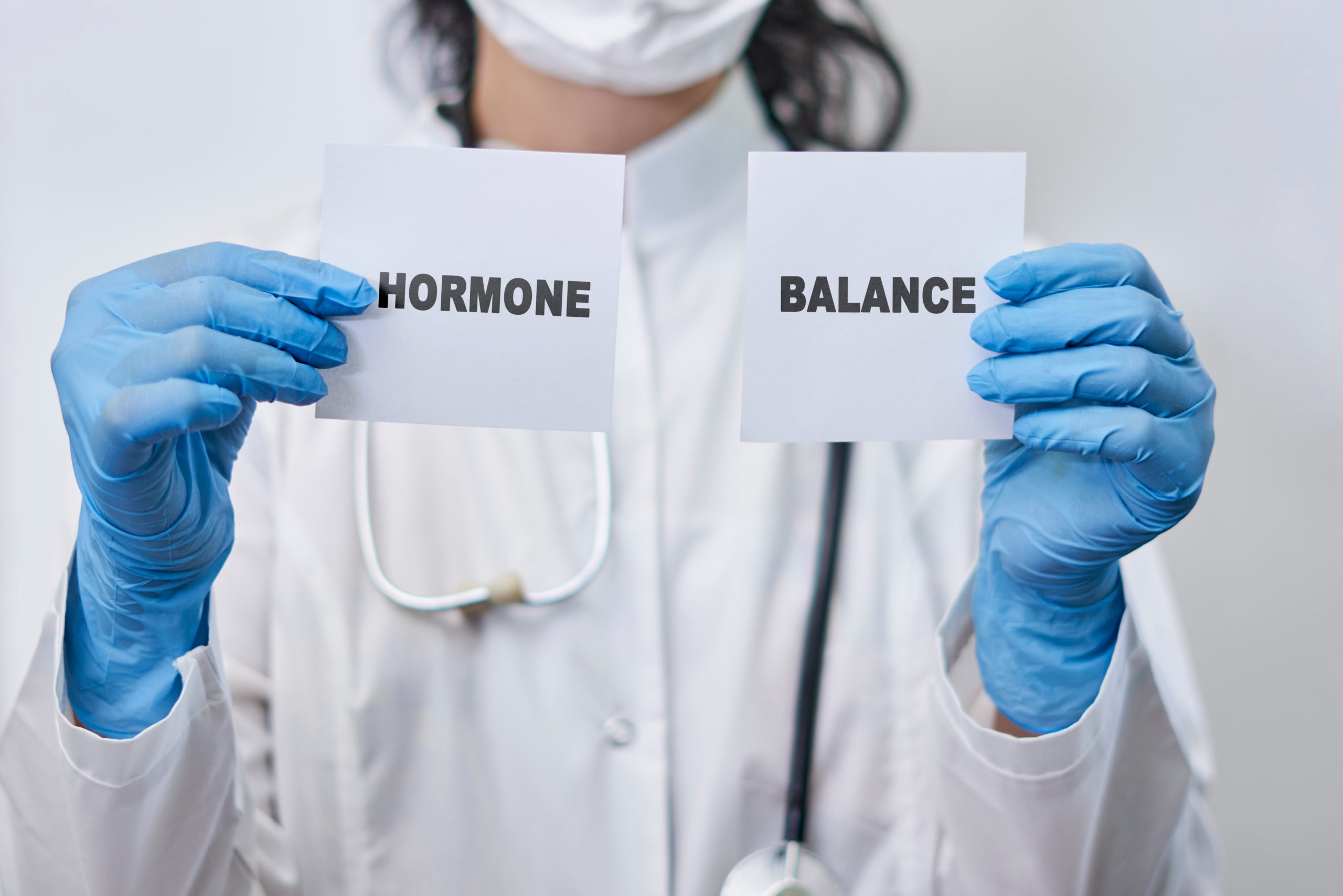
Hormones are secreted by glands in the endocrine system, including the thyroid, adrenal glands, pancreas, and reproductive organs. They communicate with organs and tissues to regulate important bodily functions. A hormonal imbalance occurs when your body produces too much or too little of a hormone, disrupting normal functions.
Common symptoms include:
- Unexplained weight gain or loss
- Persistent fatigue or low energy
- Mood swings, anxiety, or depression
- Irregular menstrual cycles or fertility issues
- Hair thinning, hair loss, or excessive facial/body hair
- Skin problems like acne, dryness, or oiliness
Recognizing these symptoms is the first step toward learning how to control hormonal imbalance effectively.
Causes of Hormonal Imbalance
Hormonal imbalance can result from a combination of lifestyle, environmental, and medical factors. Understanding the root cause is critical in learning how to control hormonal imbalance effectively.
1. Poor Diet
A diet high in refined sugars, processed foods, and unhealthy fats can disrupt insulin and cortisol levels. Insulin resistance, a common result of a high-sugar diet, affects weight management, mood, and reproductive hormones.
2. Chronic Stress
Prolonged stress triggers the production of cortisol, known as the stress hormone. Elevated cortisol levels can suppress thyroid function, affect sex hormones, and lead to increased fat accumulation, especially around the abdomen.
3. Sleep Deprivation
Lack of quality sleep interferes with hormone production, including melatonin, leptin, and ghrelin. These hormones regulate appetite, metabolism, and energy levels. Sleep disruption can worsen insulin resistance and increase hunger, leading to weight gain.
4. Environmental Toxins
Endocrine-disrupting chemicals (EDCs) in plastics, pesticides, and personal care products mimic or block natural hormones. Long-term exposure can interfere with reproductive hormones, thyroid function, and stress regulation.
5. Medical Conditions
Certain health conditions such as polycystic ovary syndrome (PCOS), thyroid disorders, diabetes, and adrenal dysfunction can directly contribute to hormonal imbalances. Genetics may also play a role.
How Hormonal Imbalance Affects Your Body
Hormones regulate multiple functions in your body. When one hormone is out of balance, it can affect others in a domino effect.
- Metabolism and Weight: Insulin and thyroid hormones regulate energy storage and usage. Imbalances can lead to weight gain or difficulty losing weight.
- Mood and Mental Health: Cortisol, estrogen, and testosterone influence mood, stress resilience, and motivation. Hormonal imbalance can trigger anxiety, depression, and irritability.
- Reproductive Health: Irregular estrogen and progesterone levels can cause irregular periods, fertility challenges, and menopause-related symptoms.
- Skin and Hair: Androgens, estrogen, and thyroid hormones affect hair growth and skin health. Imbalance can cause acne, thinning hair, or excess hair growth in unwanted areas.
Understanding these impacts is crucial in taking proactive steps on how to control hormonal imbalance in everyday life.
Natural Ways to Control Hormonal Imbalance

Lifestyle and dietary interventions are foundational in restoring hormone balance. These approaches are sustainable, safe, and address the root causes rather than just the symptoms.
1. Follow a Hormone-Friendly Diet
Nutrition is one of the most powerful tools for balancing hormones. A diet focused on whole, nutrient-dense foods supports proper hormone production and detoxification.
Key dietary strategies include:
- Healthy Fats: Avocados, fatty fish, olive oil, and nuts support hormone synthesis.
- High-Fiber Foods: Vegetables, fruits, legumes, and whole grains help remove excess estrogen through digestion.
- Protein-Rich Foods: Lean meats, fish, and plant-based proteins maintain steady blood sugar and improve metabolic function.
- Limit Sugars and Refined Carbs: Reduce spikes in insulin and prevent inflammation.
- Fermented Foods: Yogurt, kefir, sauerkraut, and kimchi support gut health, which is linked to hormone regulation.
Comparison Table: Hormone-Friendly vs Hormone-Disrupting Foods
| Hormone-Friendly Foods | Hormone-Disrupting Foods |
|---|---|
| Avocado | Sugary snacks |
| Salmon and mackerel | Soda and soft drinks |
| Leafy greens | Processed grains |
| Nuts and seeds | Trans fats |
| Whole grains | Artificial sweeteners |
A well-structured diet is one of the easiest yet most effective ways to control hormones naturally.
2. Exercise Strategically
Exercise is a key factor in controlling hormonal imbalance. It supports insulin sensitivity, reduces cortisol, and boosts sex hormones.
- Strength Training: Increases lean muscle mass, enhancing metabolism and supporting testosterone.
- Cardio Workouts: Improves insulin regulation and cardiovascular health.
- Moderation is Key: Overtraining can raise cortisol, worsening hormonal imbalance.
Practical Tip: Aim for 150 minutes of moderate-intensity exercise per week combined with 2–3 strength sessions to maintain balance.
3. Reduce Stress Through Mind-Body Techniques
Stress management is essential. Chronic stress elevates cortisol, which negatively impacts thyroid, insulin, and reproductive hormones.
Effective strategies include:
- Mindfulness Meditation: Practicing 10–15 minutes daily reduces stress and lowers cortisol.
- Yoga or Tai Chi: Promotes relaxation and enhances hormonal regulation.
- Therapy or Journaling: Helps process emotions and reduce chronic mental stress.
Daily stress reduction is a cornerstone of learning how to control hormonal imbalance effectively.
4. Prioritize Quality Sleep
Sleep is foundational to hormone balance. Inadequate sleep affects cortisol, insulin, leptin, ghrelin, and melatonin levels.
Tips for better sleep:
- Maintain a consistent bedtime and wake-up schedule.
- Avoid caffeine or heavy meals before bed.
- Sleep in a cool, dark environment to boost melatonin production.
- Limit screen exposure 1–2 hours before bedtime.
5. Minimize Exposure to Environmental Toxins
Environmental toxins disrupt hormone production and signaling. Reducing exposure supports natural hormone balance.
- Use glass or stainless steel instead of plastic containers.
- Choose organic or natural personal care and cleaning products.
- Wash fruits and vegetables to remove pesticide residues.
Taking control of your environment is an often-overlooked strategy for how to control hormonal imbalance naturally.
6. Supplements That Support Hormonal Health
Certain supplements can complement lifestyle changes:
- Omega-3 Fatty Acids: Reduce inflammation and support brain and hormonal health.
- Magnesium: Regulates cortisol, improves insulin sensitivity, and supports sleep.
- Vitamin D: Essential for thyroid and reproductive hormone regulation.
- Adaptogens: Herbs like ashwagandha, rhodiola, and holy basil help reduce stress hormone levels.
Supplements should be used under medical supervision for best results.
7. Medical Interventions for Hormonal Imbalance
When lifestyle changes alone aren’t enough, medical treatment may be necessary:
- Hormone Replacement Therapy (HRT): Helps manage menopause symptoms and low estrogen or progesterone.
- Thyroid Medications: Corrects hypo- or hyperthyroidism.
- PCOS Treatments: May include insulin-sensitizing medications like metformin.
- Regular Testing: Blood tests monitor hormone levels to guide effective treatment.
Medical guidance ensures you are taking the safest steps on how to control hormonal imbalance effectively.
8. Lifestyle Habits to Maintain Hormonal Balance
Sustainable habits support long-term hormone health:
- Stay hydrated to optimize metabolism and hormone transport.
- Maintain a healthy weight to avoid excess estrogen from fat cells.
- Limit alcohol and avoid smoking to protect liver function and hormone regulation.
- Practice self-care to reduce stress and improve overall health.
Table: Lifestyle Impact on Hormones
| Lifestyle Factor | Hormonal Effect |
|---|---|
| Adequate Sleep | Normalizes cortisol, leptin, melatonin |
| Regular Exercise | Improves insulin, testosterone |
| Stress Management Techniques | Lowers cortisol, improves mood |
| Healthy Diet | Regulates estrogen, progesterone |
| Limit Alcohol & Smoking | Supports liver function and detoxification |
FAQs About Hormonal Imbalance
Q1: Can diet alone restore hormone balance?
A: Diet is important, but combining it with exercise, stress management, and sleep is more effective.
Q2: How long does it take to see improvements?
A: Results typically appear in 6–12 weeks with consistent lifestyle changes.
Q3: Are hormonal supplements safe?
A: They can help under medical supervision, but self-prescribing is not recommended.
Q4: Do men experience hormonal imbalances?
A: Yes. Testosterone decline, thyroid disorders, and cortisol imbalances are common in men.
Q5: Should I get my hormones tested?
A: Yes. Blood or saliva tests help identify specific imbalances and guide treatment.
Common Myths About Hormonal Imbalance
- Myth 1: Only women experience hormonal issues.
Fact: Men also experience imbalances affecting energy, mood, and metabolism. - Myth 2: Stress is minor.
Fact: Chronic stress can disrupt multiple hormones, leading to fatigue, weight gain, and mood changes. - Myth 3: Weight loss solves all hormone problems.
Fact: Weight management helps, but must be combined with diet, sleep, and stress reduction.
Conclusion
Taking control of your hormonal health is not a one-step process—it is a combination of consistent lifestyle choices, mindful habits, and informed medical decisions. Learning how to control hormonal imbalance involves understanding your body, recognizing early warning signs, and implementing strategies that work in harmony with your unique physiology. From eating a nutrient-rich diet and engaging in regular exercise to managing stress, getting restorative sleep, and reducing exposure to environmental toxins, each step contributes to restoring hormonal harmony.
Supplements and medical interventions can also play a crucial role, especially for conditions such as thyroid disorders, PCOS, or menopause-related imbalances. However, the foundation of hormone balance always lies in natural, sustainable lifestyle choices. By adopting these strategies gradually, tracking your progress, and seeking professional guidance when needed, you empower yourself to take control of your health and improve your overall quality of life.
Read More:-Understanding Hormonal Imbalance in Females: Causes, Symptoms, and Solutions