Understanding Pediatric Nursing Roles, Skills, and Career Path

Introduction
Healthcare is a vast and ever-evolving field, but one area that consistently stands out for its emotional depth and importance is pediatric care. Many people often ask what is a pediatric nurse, especially those considering a career in nursing or parents seeking specialized care for their children. Pediatric nurses are not just medical professionals; they are caregivers, educators, and emotional anchors for both children and their families.
The role of a pediatric nurse extends far beyond basic clinical duties. It involves understanding the physical, emotional, and developmental needs of children at different stages of growth. From newborns taking their first breaths to teenagers navigating complex health challenges, pediatric nurses play a crucial role in ensuring their well-being.
In this comprehensive guide, we will explore everything you need to know about pediatric nursing, including responsibilities, skills, education, salary, challenges, and future opportunities. By the end, you will have a clear understanding of this rewarding profession and whether it aligns with your career goals.
What Is Pediatric Nursing and Why It Matters

To truly understand what is a pediatric nurse, it is important to begin with the foundation of pediatric nursing itself. Pediatric nursing is a specialized branch of healthcare that focuses on the medical care of infants, children, and adolescents. Unlike general nursing, this field requires a deep understanding of child development, behavior, and communication.
Children are not just small adults; their bodies function differently, and their emotional responses to illness can vary widely. This is why pediatric nurses receive specialized training to address these unique needs. They must be able to interpret symptoms that children may not be able to express clearly, making observation and intuition critical skills.
Pediatric nursing matters because it directly impacts the health and development of future generations. Early diagnosis and proper treatment can prevent long-term complications, ensuring that children grow into healthy adults. Moreover, the presence of a compassionate nurse can significantly reduce anxiety and fear in young patients, making medical experiences less traumatic.
Understanding What Is a Pediatric Nurse in Daily Practice
When exploring what is a pediatric nurse, it helps to look at what they do on a daily basis. Their routine is dynamic and often unpredictable, as it depends on the needs of their patients.
A typical day may begin with reviewing patient charts and understanding the medical history of each child under their care. This is followed by conducting physical assessments, which include checking vital signs, monitoring growth patterns, and observing behavioral changes.
Administering medication is another critical responsibility. Pediatric nurses must calculate dosages carefully, as children require precise amounts based on their age and weight. Even a small error can have significant consequences, making accuracy essential.
Beyond medical tasks, pediatric nurses spend a considerable amount of time interacting with patients and their families. They explain treatment plans, answer questions, and provide reassurance. This human connection is a defining aspect of pediatric nursing and sets it apart from many other healthcare roles.
Age Groups and Patient Diversity in Pediatric Care
To gain a deeper understanding of what is a pediatric nurse, it is essential to consider the wide range of patients they serve. Pediatric nurses care for individuals from birth through adolescence, and each stage comes with its own set of challenges.
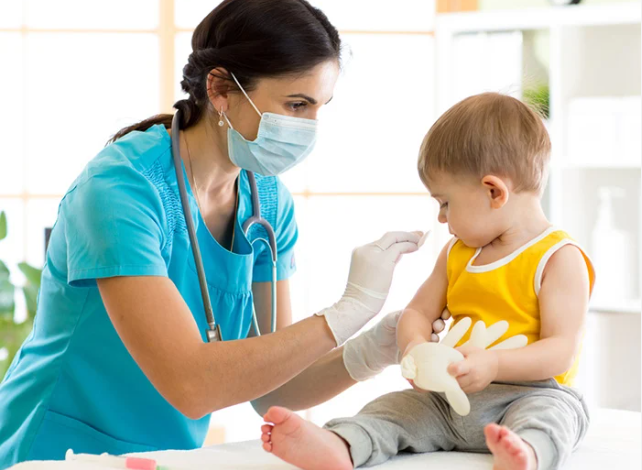
Infants require constant monitoring, as they cannot communicate their needs verbally. Nurses must rely on physical signs and subtle cues to assess their condition. Toddlers and young children, on the other hand, may express fear or discomfort through crying or resistance, requiring patience and creativity to manage.
Adolescents present a different set of challenges. They may be more aware of their health issues and may experience emotional stress related to their condition. Pediatric nurses must be able to communicate effectively with this age group, addressing both their physical and psychological needs.
This diversity makes pediatric nursing a highly engaging field, as no two patients are the same. It requires adaptability and a willingness to learn continuously.
Core Responsibilities of a Pediatric Nurse

Patient Assessment and Monitoring
One of the primary responsibilities when understanding what is a pediatric nurse is patient assessment. Nurses evaluate a child’s overall health by checking vital signs, observing behavior, and reviewing medical history.
Monitoring is an ongoing process. Pediatric nurses must track changes in a child’s condition and report any concerns to doctors promptly. This vigilance ensures that potential complications are addressed early.
Administering Medications and Treatments
Medication administration in pediatric care is a precise task. Nurses must calculate dosages based on weight and age, ensuring safety and effectiveness.
They also perform procedures such as injections, IV insertions, and wound care. These tasks require technical skill as well as the ability to keep children calm during treatment.
Providing Emotional Support
Children often feel anxious in medical environments. Pediatric nurses play a key role in easing these fears by creating a friendly and reassuring atmosphere.
They use simple language, engage in playful interactions, and offer comfort to both patients and their families. This emotional support is just as important as medical treatment.
Educating Families
Parents and caregivers rely heavily on pediatric nurses for information. Nurses explain diagnoses, treatment options, and home care instructions in a clear and understandable manner.
This guidance empowers families to make informed decisions and provide better care for their children.
Essential Skills Required for Pediatric Nursing
Understanding what is a pediatric nurse also involves recognizing the skills needed to excel in this field. Pediatric nursing requires a unique combination of technical expertise and interpersonal abilities.
Communication is perhaps the most important skill. Nurses must be able to interact effectively with children of different ages, as well as their parents. This includes explaining complex medical information in simple terms.
Empathy and patience are equally crucial. Children may be scared or uncooperative, and nurses must handle these situations with understanding and calmness. Building trust is essential for successful treatment.
Attention to detail is another key skill. Small changes in a child’s condition can indicate serious issues, so nurses must remain alert at all times. Problem-solving abilities also come into play, especially in emergency situations where quick decisions are required.
Educational Path to Becoming a Pediatric Nurse
For those interested in learning what is a pediatric nurse as a career, education is the first step. The journey typically begins with obtaining a nursing degree, such as a Bachelor of Science in Nursing (BSN).
After completing their education, aspiring nurses must pass a licensing exam to practice legally. This ensures that they have the necessary knowledge and skills to provide safe and effective care.
Gaining experience in pediatric settings is highly beneficial. Many nurses start in general nursing roles and later specialize in pediatrics. Additional certifications can further enhance their expertise and career prospects.
Work Environments and Career Opportunities

Pediatric nurses have the flexibility to work in various settings, each offering unique experiences. Hospitals are the most common workplace, where nurses care for patients in pediatric wards, emergency rooms, or intensive care units.
Clinics and outpatient centers provide opportunities for routine care, such as vaccinations and check-ups. Some nurses work in schools, ensuring the health and safety of students throughout the day.
Home healthcare is another growing field, where nurses provide personalized care for children with chronic conditions. This setting allows for a more intimate and long-term relationship with patients and their families.
Salary Expectations and Career Growth
A complete understanding of what is a pediatric nurse includes knowing the financial and professional benefits. Salaries vary depending on location, experience, and qualifications, but pediatric nursing generally offers competitive pay.
Entry-level nurses may start with a modest salary, but earnings increase with experience and specialization. Advanced roles, such as pediatric nurse practitioners or nurse educators, offer higher salaries and greater responsibilities.
Career growth in pediatric nursing is promising. With additional education and training, nurses can move into leadership positions, research roles, or specialized fields. This makes it a dynamic and evolving career path.
Challenges in Pediatric Nursing
While pediatric nursing is rewarding, it is not without challenges. Emotional stress is one of the most significant aspects of the job. Caring for sick or injured children can be difficult, especially in critical cases.
Communication barriers can also pose challenges. Young children may not be able to describe their symptoms clearly, requiring nurses to rely on observation and intuition.
The high level of responsibility is another factor. Pediatric nurses must ensure accuracy in every task, as even minor mistakes can have serious consequences. Despite these challenges, many nurses find the rewards far outweigh the difficulties.
Comparison Table: Pediatric Nurse vs General Nurse
| Aspect | Pediatric Nurse | General Nurse |
|---|---|---|
| Patient Focus | Children and adolescents | All age groups |
| Communication Style | Child-friendly and adaptive | Standard professional |
| Emotional Involvement | High | Moderate |
| Specialization | Pediatric care | Broad medical care |
| Work Settings | Pediatric units, schools | Hospitals, clinics |
Future Scope of Pediatric Nursing
The demand for pediatric nurses continues to grow as healthcare systems expand and awareness of child health increases. Advances in medical technology are also creating new opportunities in this field.
Understanding what is a pediatric nurse means recognizing its long-term potential. The profession offers job stability, career growth, and the chance to make a meaningful impact on society.
Key Highlights
- Pediatric nurses specialize in child healthcare
- They work in hospitals, clinics, schools, and homes
- Strong communication and empathy are essential skills
- A nursing degree and certification are required
- Career growth includes advanced and specialized roles
FAQs About Pediatric Nursing
What is a pediatric nurse in simple words?
A pediatric nurse is a healthcare professional who takes care of children, from newborns to teenagers, ensuring their physical and emotional well-being.
Is pediatric nursing a good career choice?
Yes, it is a rewarding career with strong job demand, good salary potential, and opportunities for growth.
How long does it take to become a pediatric nurse?
It usually takes around 3–4 years to complete a nursing degree, followed by additional training or certification.
What qualities make a good pediatric nurse?
Patience, empathy, communication skills, and attention to detail are essential qualities.
Can pediatric nurses specialize further?
Yes, they can specialize in areas like neonatal care, oncology, or critical care.
Conclusion: A Career That Truly Makes a Difference
Understanding what is a pediatric nurse reveals a profession that is both challenging and deeply fulfilling. Pediatric nurses are at the forefront of child healthcare, providing not only medical treatment but also emotional support and guidance.
Their work has a lasting impact on the lives of children and their families. From easing fears to saving lives, pediatric nurses play an indispensable role in the healthcare system.
If you are passionate about helping others and want a career that combines skill, compassion, and purpose, pediatric nursing may be the perfect path for you. Take the first step today by exploring educational opportunities and gaining hands-on experience in this meaningful field.
Read More:-Real Earnings Guide 2026: Pediatric Nurse Salaries and Insights US