
Introduction
Children experience the world largely through their eyes. From recognizing faces to learning how to read and write, vision plays a central role in their development. Yet many parents don’t realize how early eye care should begin or how critical it is to monitor vision from infancy.
A pediatric eye doctor specializes in understanding the unique needs of children’s eyes, which are constantly growing and changing. Unlike adults, children may not be able to communicate vision problems clearly, making early detection both challenging and essential.
In this detailed guide, you’ll learn how children’s vision develops, what warning signs to watch for, and how to ensure your child gets the best possible care.
Understanding Children’s Vision Development

Vision is not fully developed at birth. In fact, babies are born with limited eyesight that gradually improves over time. During the first few months, they begin to focus on objects, recognize faces, and track movement.
By the time a child reaches school age, their visual system should be strong enough to support reading, writing, and coordination tasks. However, if any part of this development is disrupted, it can lead to long-term issues.
A pediatric eye doctor plays a key role in monitoring this progression and identifying abnormalities early. Early diagnosis can prevent complications that might otherwise affect academic performance and confidence.
Why Early Eye Exams Are Crucial
Many vision problems don’t show obvious symptoms in children. A child may assume their vision is normal simply because they’ve never experienced anything different.
Routine check-ups with a pediatric eye doctor help detect hidden issues before they become serious. Conditions like amblyopia (lazy eye) are much easier to treat when caught early, often before the age of seven.
Delaying eye exams can lead to difficulties in school, reduced attention span, and even behavioral issues. Early intervention ensures that children have the visual tools they need to succeed.
Common Eye Conditions in Children
Children can develop a variety of eye conditions, some of which are more common than others. Understanding these conditions helps parents respond quickly and appropriately.
Refractive Errors
These include nearsightedness, farsightedness, and astigmatism. Children with these conditions may struggle to see clearly at certain distances.
They might squint, tilt their heads, or sit very close to screens. These subtle signs often go unnoticed unless carefully observed.
Amblyopia (Lazy Eye)
Amblyopia occurs when one eye is weaker than the other. The brain begins to rely more on the stronger eye, leading to poor development in the weaker one.
Treatment is most effective when started early, often involving patching or corrective lenses.
Strabismus (Eye Misalignment)
This condition causes the eyes to point in different directions. It can affect depth perception and coordination.
Without treatment, it may lead to permanent vision problems.
Eye Infections and Allergies
Children are more prone to infections like conjunctivitis due to exposure in schools and playgrounds.
Redness, itching, and discharge are common symptoms that require prompt attention.
Signs Your Child May Have Vision Problems
Children rarely complain about vision issues directly. Instead, they show behavioral signs that indicate something might be wrong.
- Frequent eye rubbing or blinking
- Complaints of headaches
- Difficulty concentrating
- Holding books too close
- Avoiding reading or detailed tasks
If you notice these patterns, it’s wise to consult a pediatric eye doctor for a thorough evaluation.
When Should Eye Exams Begin?
Eye care should start earlier than most parents expect. The recommended schedule includes:
- First exam at 6 months
- Second exam at 3 years
- Another before starting school
After that, regular check-ups every one to two years are ideal. A pediatric eye doctor can adjust this schedule based on your child’s specific needs.
What Happens During a Child’s Eye Exam
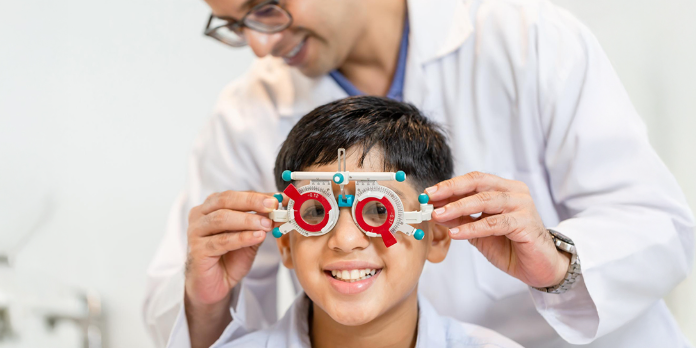
Eye exams for children are designed to be simple, engaging, and stress-free. Doctors use age-appropriate techniques to assess vision and eye health.
Visual Acuity Testing
Instead of letters, younger children may use shapes or pictures to identify what they see.
Eye Coordination Checks
The doctor evaluates how well both eyes work together, which is important for depth perception.
Refraction Assessment
This determines whether corrective lenses are needed.
Health Examination
The internal and external structures of the eye are examined to rule out disease or abnormalities.
These steps allow a pediatric eye doctor to build a complete picture of your child’s visual health.
Treatment Options for Children’s Eye Conditions

Treatment varies depending on the condition, severity, and age of the child. Fortunately, many eye problems can be managed effectively.
Prescription Glasses
Glasses are the most common solution for correcting vision problems. Modern designs are comfortable and durable for children.
Eye Patching
Used primarily for lazy eye, patching forces the weaker eye to work harder and improve.
Vision Therapy
This involves exercises that strengthen eye coordination and focusing abilities.
Medications
Eye drops or ointments are used to treat infections or inflammation.
Surgical Procedures
In some cases, surgery may be necessary to correct structural issues like strabismus.
Comparison of Treatment Methods
| Treatment Type | Purpose | Age Group | Effectiveness |
|---|---|---|---|
| Glasses | Correct refractive errors | All ages | High |
| Eye Patching | Treat lazy eye | Young children | Very High |
| Vision Therapy | Improve coordination | 5+ years | Moderate |
| Medication | Treat infections | All ages | High |
| Surgery | Correct alignment issues | Case-specific | High |
Choosing the Right Eye Specialist for Your Child
Selecting the right specialist is one of the most important decisions you’ll make for your child’s vision care.
A pediatric eye doctor should have specialized training and experience working with children. Look for someone who creates a comfortable and friendly environment, as this can make a big difference in your child’s experience.
Recommendations from other parents and positive reviews can also help guide your decision.
The Impact of Screen Time on Young Eyes
Digital devices are now a part of everyday life, even for young children. While technology offers many benefits, excessive screen time can negatively affect eye health.
Children may experience dryness, eye strain, and blurred vision after prolonged use of screens. Over time, this can impact focus and learning ability.
Encouraging breaks and outdoor activities can help reduce these effects. Many experts recommend the 20-20-20 rule to protect vision during screen use.
The Role of Nutrition in Eye Health
A healthy diet supports not only overall growth but also eye development. Nutrients like vitamin A, omega-3 fatty acids, and antioxidants are essential for maintaining good vision.
Foods such as carrots, leafy greens, fish, and citrus fruits can contribute to stronger, healthier eyes. Proper nutrition complements regular check-ups and preventive care.
How Vision Affects Learning and Behavior
Vision problems can often be mistaken for learning disabilities. A child who struggles to see clearly may lose interest in reading or classroom activities.
This can lead to frustration, low confidence, and even behavioral issues. Ensuring proper vision care helps children perform better academically and socially.
Regular visits to a pediatric eye doctor can prevent these challenges by identifying and addressing issues early.
Quick Facts About Children’s Eye Care
- First eye exam recommended at 6 months
- Vision is critical for learning and development
- Early detection improves treatment success
- Screen time can strain young eyes
- Regular check-ups ensure long-term eye health
Long-Term Benefits of Early Eye Care
Investing in your child’s vision early pays off in many ways. Clear eyesight supports better academic performance, improved coordination, and higher self-confidence.
Children who receive timely treatment are less likely to face complications later in life. Preventive care is always more effective than corrective measures taken too late.
A proactive approach ensures that your child’s eyes remain healthy as they grow.
FAQs About Children’s Eye Health
How do I know if my child needs glasses?
If your child squints, complains of headaches, or struggles with reading, an eye exam can determine if glasses are needed.
Are eye exams safe for infants?
Yes, eye exams for infants are completely safe and use gentle, non-invasive methods.
Can vision problems affect school performance?
Absolutely. Poor vision can make reading and focusing difficult, impacting learning outcomes.
Is screen time harmful for children’s eyes?
Excessive screen time can cause strain, but regular breaks and proper habits can minimize risks.
How often should children have eye exams?
Most children should have exams every one to two years, depending on their needs.
Conclusion: Protecting Your Child’s Vision for the Future
Your child’s eyesight is one of the most valuable aspects of their development. From early learning to everyday activities, clear vision shapes how they interact with the world.
By recognizing the importance of early eye care and scheduling regular check-ups, you can prevent many common vision problems. A qualified pediatric eye doctor can guide you through every stage of your child’s visual development, ensuring they receive the care they need.
Take the first step today. Pay attention to warning signs, encourage healthy habits, and prioritize routine eye exams. Protecting your child’s vision now will set the foundation for a brighter, clearer future.