

Introduction
Children’s oral health is a crucial part of their overall well-being, yet it often doesn’t get the attention it deserves until a problem arises. Many parents find themselves asking what is a pediatric dentist and whether their child really needs one instead of a general dentist. The answer goes beyond simple definitions and touches on the unique needs of growing children.
From infancy through adolescence, children go through rapid physical and emotional changes. Their dental care must adapt to these changes, which is why pediatric dentistry exists as a specialized field. In this in-depth guide, you will learn everything about pediatric dentists, their training, services, benefits, and why they are essential for your child’s long-term oral health.
What Is a Pediatric Dentist and Their Role in Child Care

To begin with, what is a pediatric dentist can be understood as a dental professional who specializes exclusively in treating infants, children, and teenagers. These dentists are trained to manage the unique dental needs of growing individuals while also addressing their emotional comfort.
Their role is not limited to treating cavities or cleaning teeth. They focus on prevention, early detection of issues, and guiding proper oral habits. Pediatric dentists also play an educational role, helping both children and parents understand how to maintain healthy teeth.
What sets them apart is their ability to create a safe and positive environment where children feel comfortable. This is especially important because early experiences with dental care often shape a person’s attitude toward oral health for life.
Understanding the Specialized Training Behind Pediatric Dentistry
To fully grasp what is a pediatric dentist, it is important to look at their education and training. After completing a general dental degree, these professionals undergo additional years of specialized training focused entirely on children.
Advanced Education and Skills
Pediatric dentists are trained in several key areas that go beyond standard dentistry:
- Child psychology, which helps them communicate effectively with young patients
- Growth and development of teeth, jaws, and facial structures
- Behavior management techniques to reduce fear and anxiety
- Treatment of children with special healthcare needs
This specialized knowledge allows them to adapt their approach depending on the child’s age, temperament, and medical history.
Why This Training Matters
Children are not just small adults. Their dental needs are different, and their ability to understand and cooperate during treatment varies. Pediatric dentists are equipped to handle these challenges with patience and expertise.
How Pediatric Dentists Differ from General Dentists
Parents often wonder whether they really need a specialist or if a general dentist is enough. Understanding what is a pediatric dentist helps clarify this distinction.
| Aspect | Pediatric Dentist | General Dentist |
|---|---|---|
| Patient Focus | Infants to teens | All age groups |
| Training | Additional 2–3 years in pediatric care | General dental education |
| Clinic Setup | Child-friendly and engaging | Standard clinical environment |
| Behavior Management | Specialized techniques | Basic training |
| Preventive Care | Strong emphasis | Moderate emphasis |
The differences are not just technical but also experiential. Pediatric dentists create an atmosphere that makes children feel safe and relaxed, which is often not the primary focus in general dental practices.
The Importance of Early Dental Care for Children

One of the most important aspects of pediatric dentistry is early intervention. Many experts recommend that children visit a dentist by their first birthday.
Building a Strong Foundation
Early dental visits help in identifying potential issues before they become serious problems. These visits also allow dentists to monitor the development of teeth and jaws.
Developing Healthy Habits
Children who start dental visits early are more likely to develop good oral hygiene habits. They become familiar with brushing, flossing, and regular checkups as part of their routine.
Reducing Fear and Anxiety
When children are introduced to dental care at a young age, they are less likely to develop fear. This makes future visits smoother and more comfortable.
Understanding what is a pediatric dentist helps parents realize why early care is so beneficial.
Common Treatments Provided by Pediatric Dentists
Pediatric dentists offer a wide range of treatments designed specifically for children’s needs.
Preventive Care
Preventive care is the cornerstone of pediatric dentistry. It includes:
- Routine dental checkups and cleanings
- Fluoride treatments to strengthen teeth
- Dental sealants to protect against cavities
These treatments aim to stop problems before they start.
Restorative Treatments
When dental issues do occur, pediatric dentists provide treatments such as:
- Fillings for cavities
- Crowns for damaged teeth
- Pulp therapy for infected baby teeth
These procedures are performed with a gentle approach to ensure the child’s comfort.
Monitoring Growth and Development
Pediatric dentists keep track of how a child’s teeth and jaws are developing. This helps in identifying orthodontic issues early and planning appropriate treatment.
Creating a Child-Friendly Dental Environment
One of the most noticeable features of pediatric dentistry is the environment. Clinics are designed to make children feel at ease.
Visual and Emotional Comfort
Bright colors, playful decorations, and engaging activities are common in pediatric dental offices. These elements help reduce anxiety and make visits enjoyable.
Friendly Staff and Approach
The staff is trained to interact with children in a friendly and patient manner. They understand how to handle nervous or uncooperative patients with care.
This unique setup is a key part of understanding what is a pediatric dentist and why children respond better to them.
Behavior Management Techniques in Pediatric Dentistry
Managing a child’s behavior during dental visits requires skill and patience.
Effective Techniques Used
Pediatric dentists use several proven methods, including:
- Explaining procedures in simple, non-threatening language
- Demonstrating tools and techniques before use
- Rewarding positive behavior with praise or small incentives
Building Trust
Trust is essential for successful dental care. By creating a positive experience, pediatric dentists help children feel safe and cooperative.
The Role of Preventive Dentistry in Long-Term Health
Preventive care is not just about avoiding cavities; it’s about ensuring overall health.
Benefits of Preventive Care
- Reduces the risk of serious dental problems
- Minimizes the need for complex treatments
- Encourages lifelong oral hygiene habits
Parents who understand what is a pediatric dentist often prioritize regular checkups and preventive measures.
Signs That Your Child Should Visit a Pediatric Dentist
Recognizing when your child needs dental care is important.
Common Warning Signs
- Persistent tooth pain
- Bleeding or swollen gums
- Difficulty chewing food
- Sensitivity to hot or cold
Ignoring these signs can lead to more serious issues, making early intervention crucial.
Nutrition and Its Impact on Children’s Oral Health
Diet plays a significant role in maintaining healthy teeth.
Healthy Food Choices
Foods rich in calcium, vitamins, and minerals help strengthen teeth and gums. These include dairy products, leafy greens, and fresh fruits.
Foods to Avoid
Sugary snacks, sticky candies, and fizzy drinks can damage enamel and lead to cavities.
Pediatric dentists often provide dietary guidance as part of their care.
Transitioning from Pediatric to General Dentistry
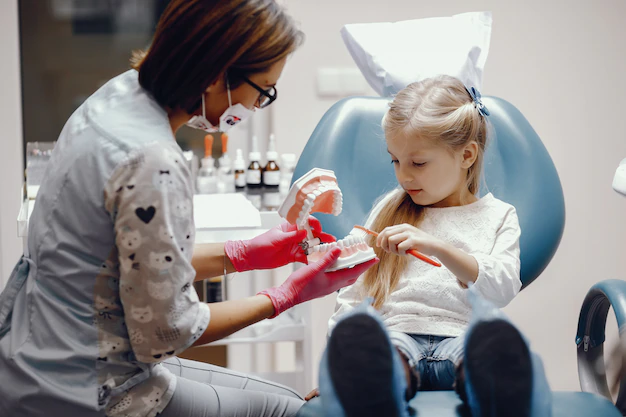
As children grow older, there comes a time when they transition to a general dentist.
When Does This Happen
This usually occurs during the teenage years, depending on the child’s comfort level and dental needs.
Ensuring a Smooth Transition
A pediatric dentist will guide this process, ensuring that the child is ready for the change.
Understanding what is a pediatric dentist helps parents navigate this transition effectively.
Benefits of Choosing a Pediatric Dentist for Your Child
Choosing the right dental professional can make a significant difference.
Key Advantages
- Expertise in handling children’s dental issues
- Gentle and compassionate approach
- Focus on prevention and education
These benefits contribute to a positive dental experience and better long-term outcomes.
Key Highlights
Quick Overview
- Pediatric dentists specialize in children’s oral health
- They receive additional training beyond general dentistry
- Early dental visits are essential for prevention
- Child-friendly environments reduce fear and anxiety
Frequently Asked Questions (FAQs)
1. What age should a child first visit a dentist?
Children should visit a dentist by their first birthday or when their first tooth appears.
2. How often should children have dental checkups?
It is recommended that children visit the dentist every six months for routine care.
3. Are baby teeth important if they fall out anyway?
Yes, baby teeth are essential for chewing, speech development, and guiding permanent teeth.
4. How can I prepare my child for their first dental visit?
Use positive language, avoid scary words, and explain the visit in a simple, friendly way.
5. Can pediatric dentists treat children with special needs?
Yes, they are specially trained to handle a wide range of physical and developmental conditions.
Conclusion: Building a Lifetime of Healthy Smiles
Understanding what is a pediatric dentist is more than just knowing a definition—it’s about recognizing the value they bring to your child’s health and development. From specialized training to child-friendly environments, pediatric dentists are uniquely equipped to provide the care that children need at every stage of growth.
They focus not only on treating dental problems but also on preventing them and creating positive experiences. These early experiences play a crucial role in shaping lifelong habits and attitudes toward oral health.
If you want to give your child the best start in maintaining a healthy smile, scheduling regular visits with a pediatric dentist is one of the most important steps you can take. Start early, stay consistent, and make dental care a positive part of your child’s life.
Read More:-Understanding Pediatric Nursing Roles, Skills, and Career Path