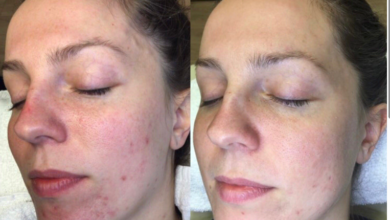
Ultimate Guide to Smoother Skin: Causes, Fixes And Care Tips

Introduction: Understanding the Reality of Crepey Skin
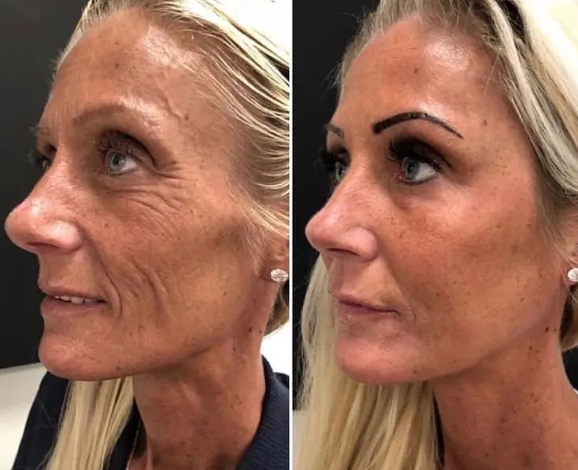
Crepey skin is one of the most common yet misunderstood skin concerns people face as they age. Unlike deep wrinkles or fine expression lines, this condition is characterized by thin, fragile skin that appears loose and crinkled—similar to crepe paper. It can develop gradually, often going unnoticed until the texture becomes more pronounced.
Many people assume that crepey skin is inevitable and irreversible. However, that’s not entirely true. With the right knowledge, skincare routine, and lifestyle adjustments, you can significantly improve your skin’s appearance. A well-planned crepey skin treatment approach doesn’t just focus on surface-level fixes; it works from within to rebuild strength, elasticity, and hydration.
This guide will walk you through everything you need to know—from causes and early signs to practical solutions and advanced treatments—so you can take control of your skin health with confidence.
What Is Crepey Skin and Why Does It Happen?

Crepey skin develops when the skin loses its structural integrity. This happens due to a combination of internal aging processes and external damage. Over time, the skin’s natural production of collagen and elastin slows down. These proteins act as the framework that keeps skin firm, smooth, and resilient.
When collagen breaks down, the skin becomes thinner and less elastic. Elastin loss further contributes to sagging and looseness. At the same time, a reduction in natural oils and moisture leads to dryness, which exaggerates the appearance of wrinkles.
Environmental factors like sun exposure accelerate this process significantly. Ultraviolet rays penetrate deep into the skin, damaging collagen fibers and triggering premature aging. This is why crepey skin often appears on areas that receive the most sun exposure, such as the neck, arms, and chest.
Another overlooked factor is glycation—a process where sugar molecules attach to proteins like collagen, making them stiff and less functional. This contributes to the loss of skin flexibility and the formation of crepey texture.
Understanding these underlying causes is essential because it helps you choose a more targeted and effective crepey skin treatment strategy.
Early Signs That Indicate Crepey Skin Development
Crepey skin doesn’t appear overnight. It begins with subtle changes that many people ignore until they become more noticeable. Recognizing these early signs can make a significant difference in how effectively you manage the condition.
One of the first indicators is a slight thinning of the skin. It may feel more delicate and less resilient when touched. You might also notice that your skin doesn’t bounce back as quickly when stretched or pressed.
Another early sign is a dull, dehydrated appearance. Even after applying moisturizer, the skin may still look tired or lackluster. Fine lines may start to appear, but they won’t look like typical wrinkles. Instead, they form a network of tiny creases that give the skin a crinkled look.
Over time, these changes become more pronounced, leading to visible sagging and a loss of firmness. Starting crepey skin treatment at this stage can prevent further progression and restore a smoother texture.
The Science Behind Skin Aging and Texture Changes
To fully understand how to treat crepey skin, it’s important to look at what happens beneath the surface. The skin is made up of three primary layers: the epidermis, dermis, and hypodermis. Most of the structural changes occur in the dermis, where collagen and elastin are produced.
As we age, fibroblast cells—which are responsible for producing collagen—become less active. This results in a gradual decline in collagen density. At the same time, existing collagen fibers break down faster than they are replaced.
Hyaluronic acid, a naturally occurring substance that helps retain moisture, also decreases with age. This leads to reduced hydration and volume, making the skin appear thinner and more fragile.
External factors like pollution and UV radiation generate free radicals, which damage skin cells and accelerate aging. Over time, this cumulative damage leads to the development of crepey skin.
An effective crepey skin treatment plan addresses all these factors by boosting collagen production, protecting against environmental damage, and restoring hydration.
Key Ingredients That Transform Crepey Skin
Choosing the right skincare ingredients can make a noticeable difference in your skin’s texture and firmness. These ingredients work at a cellular level to repair damage and improve elasticity.
Retinol and Retinoids
Retinol is one of the most researched and effective ingredients for improving skin texture. It increases cell turnover and stimulates collagen production. With consistent use, it helps thicken the skin and reduce the appearance of fine lines.
Hyaluronic Acid for Deep Hydration
Hyaluronic acid attracts and retains moisture, making the skin appear plumper and smoother. It is especially beneficial for dry, crepey skin because it restores hydration levels quickly.
Peptides for Structural Support
Peptides are short chains of amino acids that signal the skin to produce more collagen. They help strengthen the skin’s structure and improve firmness over time.
Vitamin C for Brightness and Protection
Vitamin C is a powerful antioxidant that protects the skin from free radical damage. It also plays a crucial role in collagen synthesis, making it a vital component of any crepey skin treatment routine.
Ceramides for Barrier Repair
Ceramides help restore the skin’s natural barrier, preventing moisture loss and improving overall texture. They are essential for maintaining hydration and resilience.
Building an Effective Daily Skincare Routine

A consistent skincare routine is the foundation of healthy, youthful-looking skin. It doesn’t have to be complicated, but it should be well-balanced and targeted.
Morning Routine for Protection
Start your day with a gentle cleanser to remove impurities without stripping the skin. Follow with a vitamin C serum to protect against environmental damage and boost brightness.
Next, apply a hydrating moisturizer that contains ingredients like hyaluronic acid or ceramides. Finish with a broad-spectrum sunscreen to shield your skin from harmful UV rays.
Evening Routine for Repair
At night, the focus shifts to repair and regeneration. Cleanse your skin thoroughly to remove makeup and pollutants. Apply a retinol-based product to stimulate collagen production.
Follow with a nourishing night cream to lock in moisture and support the skin’s natural repair process. This routine is a crucial part of any crepey skin treatment plan.
Natural Remedies That Complement Skincare
While professional treatments and skincare products are effective, natural remedies can provide additional support. They are especially useful for maintaining hydration and improving skin texture.
Aloe vera is known for its soothing and hydrating properties. It helps improve elasticity and can be applied directly to the skin. Coconut oil is another popular option, offering deep nourishment and softness.
Honey acts as a natural humectant, drawing moisture into the skin and keeping it hydrated. Gentle exfoliation using sugar scrubs can also help remove dead skin cells and improve product absorption.
Although these remedies are not a replacement for advanced treatments, they can enhance the effectiveness of your overall crepey skin treatment routine.
Professional Treatments for Advanced Results
When at-home care isn’t enough, professional treatments can deliver more noticeable improvements. These procedures target deeper layers of the skin to stimulate collagen production and tighten loose areas.
Laser therapy is one of the most effective options. It works by creating controlled damage in the skin, triggering the body’s natural healing response. This leads to increased collagen production and improved texture.
Microneedling is another popular treatment that involves creating tiny punctures in the skin. This stimulates collagen and elastin production, resulting in firmer, smoother skin.
Radiofrequency treatments use heat to tighten the skin and promote collagen remodeling. Dermal fillers can also be used to restore volume and reduce the appearance of sagging.
These treatments are often combined with a consistent crepey skin treatment routine for optimal results.
Comparison Table: Treatment Options Overview
| Treatment Option | Best For | Cost Level | Results Timeline | Longevity of Results |
|---|---|---|---|---|
| Skincare Products | Mild crepey skin | Moderate | 4–8 weeks | Ongoing use needed |
| Natural Remedies | Maintenance | Low | Gradual | Short-term |
| Microneedling | Texture and firmness | Moderate | 3–6 weeks | Medium-term |
| Laser Therapy | Deep wrinkles & sagging | High | 2–4 weeks | Long-lasting |
| Radiofrequency | Skin tightening | High | 4–6 weeks | Medium to long |
Lifestyle Changes That Improve Skin Quality
Your daily habits have a significant impact on your skin’s health. Even the most advanced treatments won’t be effective if your lifestyle doesn’t support them.
Staying hydrated is essential for maintaining skin elasticity. Drinking enough water helps keep the skin plump and reduces the appearance of wrinkles.
A balanced diet rich in antioxidants, healthy fats, and vitamins supports collagen production and skin repair. Regular exercise improves blood circulation, delivering nutrients to the skin more efficiently.
Avoiding smoking is one of the most important steps you can take. Smoking damages collagen and accelerates the aging process, making crepey skin more pronounced.
Incorporating these habits into your routine enhances the effectiveness of any crepey skin treatment plan.
Preventing Crepey Skin Before It Starts
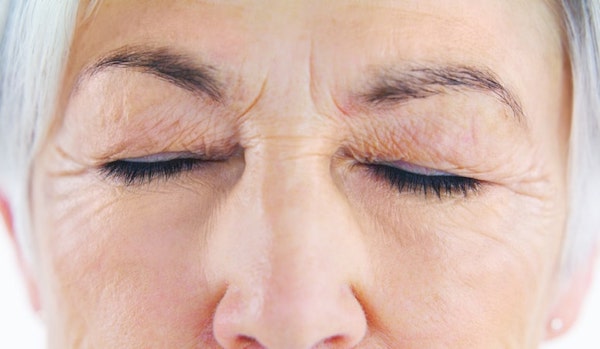
Prevention is always more effective than correction. Taking care of your skin early can delay the onset of crepey texture and maintain a youthful appearance for longer.
Daily sunscreen use is non-negotiable. UV damage is one of the leading causes of premature aging, and protecting your skin can significantly reduce the risk of crepey skin.
Consistent moisturizing helps maintain hydration and elasticity. Starting anti-aging products early, such as retinol and antioxidants, can also slow down the aging process.
By adopting these habits, you can minimize the need for intensive crepey skin treatment later in life.
Frequently Asked Questions
What is the most effective crepey skin treatment?
The most effective approach combines skincare products, professional treatments, and healthy lifestyle habits to address multiple causes simultaneously.
Can crepey skin be reversed completely?
While complete reversal is unlikely, significant improvement is possible with consistent care and the right treatments.
How long does it take to see results?
Results vary depending on the method used. Skincare products may take several weeks, while professional treatments can show quicker improvements.
Is crepey skin only caused by aging?
No, factors like sun exposure, dehydration, and lifestyle habits also play a major role in its development.
Which areas are most affected by crepey skin?
Common areas include the neck, arms, under the eyes, and knees.
Consistency is the secret to transformation.
Even the best products and treatments won’t work if they’re not used regularly. A steady routine delivers lasting results.
Conclusion: Take Control of Your Skin’s Future
Crepey skin may be a common concern, but it doesn’t have to define your appearance. With the right knowledge and approach, you can significantly improve your skin’s texture, firmness, and overall health.
The journey begins with understanding the causes and recognizing early signs. From there, building a consistent skincare routine and adopting healthy lifestyle habits will create a strong foundation. For more advanced concerns, professional procedures can provide additional support and faster results.
A well-rounded crepey skin treatment strategy is not about quick fixes—it’s about long-term care and commitment. By taking action today, you’re investing in healthier, smoother skin for the future.
Start small, stay consistent, and trust the process. Your skin will thank you for it.