Complete Guide to Identifying and Checking Hormonal Imbalance

Introduction
Hormones are often described as the body’s chemical messengers, but that phrase barely captures their importance. These tiny molecules travel through your bloodstream, influencing everything from your mood and metabolism to your sleep cycles and reproductive health. When they function properly, your body feels balanced and energized. But when something goes wrong, even slightly, the effects can ripple across your entire system.
Understanding how to test for hormonal imbalance is essential in today’s fast-paced world, where stress, poor diet, and irregular sleep patterns are common. Many people ignore early symptoms, assuming they are temporary or unrelated. However, recognizing these signs and confirming them through proper testing can prevent long-term health complications.
This detailed guide explores everything you need to know—from identifying symptoms to choosing the right testing method and interpreting results—so you can take informed steps toward better health.
What Is Hormonal Imbalance and Why It Matters
Hormonal imbalance occurs when there is too much or too little of a hormone in the bloodstream. Because hormones regulate vital processes, even a minor imbalance can disrupt normal body functions.
The endocrine system is responsible for producing and regulating hormones. It includes glands such as the thyroid, adrenal glands, pancreas, and reproductive organs. Each gland produces specific hormones that work together like a network. If one part fails, it can affect the entire system.
For instance, an underactive thyroid may slow metabolism, leading to weight gain and fatigue. Similarly, elevated cortisol levels due to chronic stress can interfere with sleep and immune function.
Understanding how to test for hormonal imbalance becomes important because symptoms often overlap with other conditions. Without testing, it is difficult to pinpoint the exact cause.
Common Signs That Indicate Hormonal Issues

The body rarely stays silent when something is wrong. Hormonal imbalance often reveals itself through a combination of physical, emotional, and metabolic symptoms.
Physical Changes You May Notice
Sudden weight gain or loss is one of the most common indicators. If your weight fluctuates without changes in diet or exercise, hormones could be involved.
Fatigue that doesn’t improve with rest is another warning sign. Many people experience constant tiredness without understanding the underlying cause.
Skin and hair changes also provide clues. Acne, dryness, or thinning hair may reflect shifts in hormones like estrogen or testosterone.
Emotional and Mental Symptoms
Hormones influence brain chemistry more than most people realize. Mood swings, anxiety, and even depression can stem from imbalances.
Difficulty concentrating or experiencing “brain fog” is another common complaint. These symptoms are often linked to thyroid or cortisol irregularities.
Recognizing these patterns is the first step before learning how to test for hormonal imbalance effectively.
Reproductive Health Changes
For women, irregular menstrual cycles are a major indicator. Missed periods, heavy bleeding, or severe cramps may suggest hormonal disruptions.
Men may experience reduced libido, erectile dysfunction, or loss of muscle mass due to low testosterone levels.
These symptoms are often ignored, but they play a crucial role in identifying imbalances early.
When You Should Consider Hormone Testing
Not every symptom requires immediate testing, but persistent or worsening issues should not be ignored.
If symptoms last for several weeks or interfere with daily life, it is time to consider medical evaluation. Sudden changes, such as rapid weight gain or extreme fatigue, should be addressed quickly.
Women should pay close attention to menstrual irregularities, while men should monitor changes in energy and physical performance.
Knowing when to act is a key part of understanding how to test for hormonal imbalance.
Types of Hormone Tests and How They Work
There are several ways to measure hormone levels, each with its own advantages. Choosing the right method depends on your symptoms and medical history.
Blood Testing
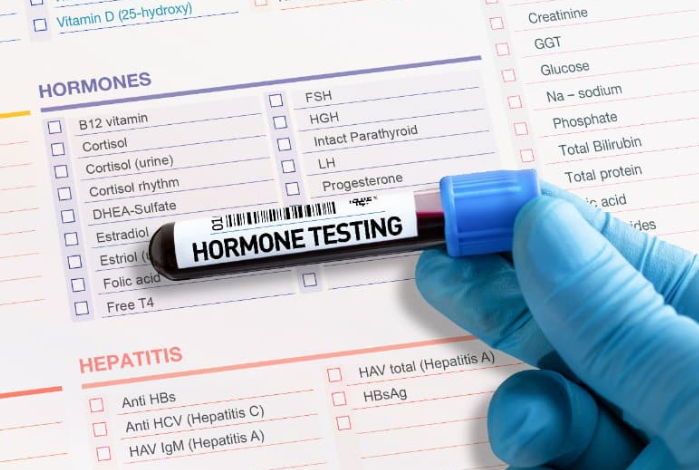
Blood tests are the most widely used method. They measure hormone levels directly in the bloodstream, providing accurate and reliable results.
Doctors often recommend blood tests to evaluate thyroid function, cortisol levels, and reproductive hormones. These tests are usually conducted in a laboratory setting and may require fasting.
Saliva Testing
Saliva tests are less invasive and can be done at home. They are commonly used to measure cortisol levels throughout the day.
This method is particularly useful for understanding daily hormonal fluctuations rather than a single snapshot.
Urine Testing
Urine tests measure hormone metabolites, offering insight into how your body processes hormones over time.
Advanced urine testing can provide a comprehensive hormonal profile, making it a valuable tool for in-depth analysis.
Comparison of Hormone Testing Methods
| Test Type | Purpose | Accuracy | Convenience | Ideal For |
|---|---|---|---|---|
| Blood Test | Direct hormone measurement | High | Moderate | Thyroid, estrogen, testosterone |
| Saliva Test | Daily hormone fluctuations | Moderate | High | Cortisol and stress hormones |
| Urine Test | Hormone metabolism tracking | High | Moderate | Detailed hormonal analysis |
This comparison helps clarify your options when deciding how to test for hormonal imbalance.
At-Home Testing vs Clinical Testing
In recent years, at-home hormone testing kits have become increasingly popular. These kits allow you to collect samples privately and send them to a lab for analysis.
They are convenient and accessible, especially for people with busy schedules. However, they may lack the comprehensive guidance provided by healthcare professionals.
Clinical testing, on the other hand, offers more accurate diagnosis and personalized treatment plans. Doctors can interpret results in the context of your overall health.
Choosing between these options depends on your needs, but combining both can sometimes provide the best results.
Preparing for Hormone Testing
Preparation plays a crucial role in ensuring accurate results. Hormone levels can fluctuate based on time of day, diet, and lifestyle factors.
You may be asked to fast before a blood test or schedule it at a specific time. For example, cortisol levels are typically highest in the morning.
It is also important to inform your doctor about any medications or supplements you are taking. These can influence hormone levels and affect test outcomes.
Proper preparation is essential when learning how to test for hormonal imbalance accurately.
Understanding Your Test Results
Receiving your test results can be both enlightening and confusing. Hormone levels are measured within a reference range, which varies based on age, gender, and health conditions.
A result outside the normal range does not always indicate a serious problem. Doctors often look for patterns rather than isolated values.
For example, slightly elevated cortisol may not be concerning unless accompanied by symptoms. Similarly, thyroid levels must be evaluated together rather than individually.
Interpreting results correctly requires professional guidance, making consultation an important step in the process.
Lifestyle Factors That Influence Hormones

Your daily habits play a significant role in hormonal balance. Even before testing, lifestyle factors can provide valuable clues.
Stress and Cortisol Levels
Chronic stress leads to prolonged cortisol release, which can disrupt other hormones. This often results in fatigue, weight gain, and sleep disturbances.
Diet and Nutrition
A diet lacking essential nutrients can mimic hormonal imbalance symptoms. For example, low iron levels may cause fatigue similar to thyroid issues.
Eating a balanced diet supports hormone production and helps maintain stability.
Sleep Patterns
Sleep is critical for hormone regulation. Poor sleep can affect melatonin and cortisol levels, leading to a cycle of imbalance.
Understanding these factors is an important part of learning how to test for hormonal imbalance holistically.
Hormonal Imbalance in Women
Women experience more frequent hormonal changes due to menstruation, pregnancy, and menopause.
Conditions such as polycystic ovary syndrome (PCOS) and thyroid disorders are common. Symptoms may include irregular periods, weight gain, and acne.
Testing often focuses on estrogen, progesterone, and thyroid hormones. Early detection can help manage these conditions effectively.
Hormonal Imbalance in Men
Hormonal issues in men are often overlooked. Low testosterone is one of the most common problems.
Symptoms include reduced energy, muscle loss, and mood changes. Testing typically involves measuring testosterone and cortisol levels.
Addressing these issues early can improve quality of life and overall health.
Natural Ways to Monitor Hormonal Health
While laboratory tests are essential, natural observation methods can provide additional insights.
Tracking your sleep, energy levels, and mood can help identify patterns. Keeping a journal of symptoms allows you to share detailed information with your doctor.
Observing changes in skin, hair, and weight can also indicate hormonal shifts. These methods complement formal testing and enhance understanding.
Treatment Options After Diagnosis
Once a hormonal imbalance is confirmed, treatment depends on the underlying cause.
Medical treatments may include hormone replacement therapy or medications to regulate specific hormones. These treatments are often effective but require careful monitoring.
Natural approaches focus on lifestyle changes, such as improving diet, reducing stress, and maintaining regular exercise.
Combining both approaches often yields the best results.
Risks of Ignoring Hormonal Imbalance
Ignoring hormonal imbalance can lead to serious health complications over time.
These may include diabetes, infertility, and cardiovascular disease. Chronic imbalance can also affect mental health and overall well-being.
Early detection through proper testing is crucial in preventing these outcomes.
Quick Checklist for Hormonal Health
Signs You Should Watch For:
- Persistent fatigue
- Mood swings
- Weight changes
- Sleep disturbances
Best Testing Methods:
- Blood tests for accuracy
- Saliva tests for convenience
- Urine tests for detailed insights
Frequently Asked Questions
What is the most reliable way to check hormone levels?
Blood tests are considered the most reliable because they directly measure hormone concentrations in the bloodstream.
Can hormonal imbalance fix itself?
In some cases, mild imbalances may resolve with lifestyle changes. However, persistent issues usually require medical attention.
Is home testing accurate?
Home testing can provide useful insights, but results should always be reviewed by a healthcare professional.
How long does it take to get results?
Most hormone test results are available within a few days, depending on the type of test.
Do men need hormone testing too?
Yes, men can experience hormonal imbalances, particularly related to testosterone and cortisol levels.
Conclusion: Take Control of Your Hormonal Health
Understanding your body is one of the most empowering steps you can take toward better health. Learning how to test for hormonal imbalance allows you to identify problems early and take corrective action.
Start by paying attention to your symptoms and lifestyle patterns. If something feels off, do not ignore it. Seek professional advice and choose the appropriate testing method.
Combine medical insights with healthy habits such as balanced nutrition, stress management, and quality sleep. These steps not only help diagnose issues but also prevent them in the future.
Your hormones influence every aspect of your life. By staying informed and proactive, you can maintain balance, improve your well-being, and lead a healthier, more energetic life.