
Introduction
Polycystic Ovarian Disease (PCOD) is a common hormonal disorder that affects millions of women worldwide. Despite its prevalence, many females still wonder, “what is PCOD problem in females?” Understanding this condition is essential because it can affect reproductive health, metabolism, and everyday well-being. Early recognition and proper management can prevent complications and improve quality of life.
This article provides an in-depth explanation of what is PCOD problem in females, including its causes, symptoms, diagnosis, treatment options, lifestyle strategies, and frequently asked questions.
What Is PCOD Problem in Females?
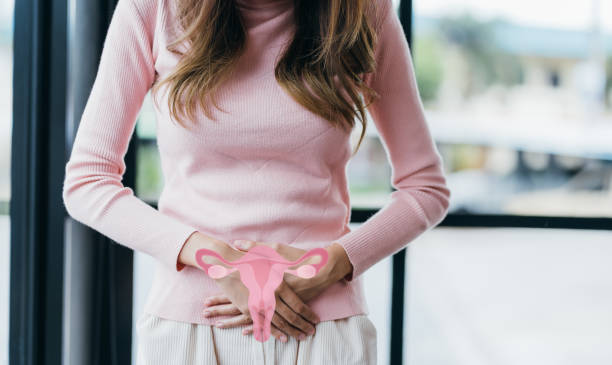
PCOD, or Polycystic Ovarian Disease, is a condition where a female’s ovaries develop multiple small cysts. These cysts are fluid-filled sacs caused by hormonal imbalances that prevent regular ovulation. Learning what is PCOD problem in females is crucial because early detection can prevent infertility, weight gain, and other long-term complications.
Excess production of androgens (male hormones) and insulin resistance are often key contributors to PCOD. Genetics and lifestyle factors such as poor diet and stress can also worsen the condition. Understanding what is PCOD problem in females helps women take preventive steps and manage their health effectively.
Common Symptoms of PCOD in Females
Recognizing symptoms is vital to understanding what is PCOD problem in females. Not all women experience the same symptoms, but common signs include:
Irregular Menstrual Cycles
Females with PCOD often have cycles that are skipped, very short, or very long. Irregular periods are one of the first indicators of what is PCOD problem in females.
Excess Hair Growth (Hirsutism)
High androgen levels can lead to unwanted hair on the face, chest, or back.
Acne and Oily Skin
Persistent acne and oily skin are typical signs and can affect self-confidence.
Weight Gain or Difficulty Losing Weight
Weight gain, especially around the abdomen, is common in PCOD due to insulin resistance.
Hair Thinning or Hair Loss
Hair thinning on the scalp is another sign that indicates what is PCOD problem in females.
Mood Swings and Fatigue
Hormonal fluctuations may cause mood changes, anxiety, and fatigue, which can impact daily life.
Fertility Issues
Irregular ovulation makes conception challenging for many women. Recognizing these symptoms is essential to address what is PCOD problem in females effectively.
Not every female with PCOD shows all these symptoms. Some may have mild signs, while others experience multiple challenges.
Causes of PCOD in Females
Understanding what is PCOD problem in females requires knowing its root causes. While the exact cause is unclear, several factors contribute to the development of PCOD:
Hormonal Imbalance
Overproduction of androgens disrupts ovulation and menstrual cycles, leading to cyst formation. Hormonal imbalance is a central reason why females develop PCOD.
Insulin Resistance
High insulin levels stimulate the ovaries to produce more androgens, worsening PCOD symptoms and contributing to weight gain.
Genetic Factors
A family history of PCOD increases susceptibility. Females with mothers or sisters affected by PCOD have a higher likelihood of developing it.
Lifestyle Factors
Sedentary habits, poor diet, and stress can exacerbate PCOD, making early recognition of what is PCOD problem in females crucial.
| Cause | Impact on Health |
|---|---|
| Hormonal Imbalance | Irregular periods, acne, hair growth |
| Insulin Resistance | Weight gain, higher diabetes risk |
| Genetic Predisposition | Increased risk of PCOD |
| Poor Lifestyle & Diet | Exacerbates PCOD symptoms |
How PCOD Affects Female Health

Learning what is PCOD problem in females highlights its impact on overall health. While PCOD is often considered a reproductive disorder, its effects extend beyond fertility.
Reproductive Health
Irregular ovulation can cause infertility or delayed conception. Even if conception occurs, pregnancy may require medical monitoring.
Metabolic Health
Insulin resistance increases the risk of type 2 diabetes. Weight management becomes challenging, making lifestyle changes essential.
Cardiovascular Health
Females with PCOD are more prone to high cholesterol and blood pressure, increasing the risk of heart disease.
Mental Health
PCOD can affect emotional well-being, leading to anxiety, depression, and low self-esteem due to physical changes.
Skin and Hair Changes
Acne, oily skin, hair thinning, and unwanted hair growth are common symptoms that affect confidence and quality of life.
Diagnosing PCOD in Females
Early diagnosis is key to managing what is PCOD problem in females effectively. The process typically involves:
- Medical History: Assessment of menstrual cycle patterns, weight changes, and family history.
- Physical Examination: Checking for hirsutism, acne, and hair thinning.
- Blood Tests: Hormone levels such as testosterone, LH, FSH, and insulin.
- Ultrasound Imaging: Detects multiple small cysts in the ovaries to confirm PCOD.
Timely diagnosis allows for interventions that can prevent long-term complications like infertility and metabolic disorders.
Treatment Options for PCOD
Knowing what is PCOD problem in females helps determine the best treatment approach. While PCOD cannot be permanently cured, it can be managed effectively.
Lifestyle Management
Exercise, a balanced diet, and stress reduction play a crucial role. Even a 5–10% reduction in body weight can significantly improve PCOD symptoms.
Medical Treatments
- Hormonal Therapy: Birth control pills regulate cycles and reduce hair growth.
- Fertility Treatments: Clomiphene or Letrozole stimulate ovulation for women trying to conceive.
- Insulin-Sensitizing Drugs: Metformin improves insulin resistance and lowers androgen levels.
Natural Remedies
Herbs like cinnamon, fenugreek, and spearmint tea may support hormonal balance. Mindful eating, stress management, and regular exercise complement medical treatment.
Diet Recommendations for PCOD
A proper diet is essential for managing what is PCOD problem in females. Nutritional adjustments help control weight, hormone levels, and insulin resistance.
| Food Type | Recommendation |
|---|---|
| Complex Carbs | Oats, quinoa, brown rice |
| Protein | Eggs, chicken, lentils |
| Healthy Fats | Nuts, avocado, olive oil |
| Low-GI Fruits & Vegetables | Berries, spinach, broccoli |
| Avoid | Sugary drinks, refined carbs, processed foods |
PCOD vs PCOS: Key Differences
Understanding what is PCOD problem in females also involves knowing the difference between PCOD and PCOS:
- PCOD (Polycystic Ovarian Disease): Mild form, primarily ovarian cysts, usually manageable with lifestyle changes.
- PCOS (Polycystic Ovary Syndrome): Severe form, systemic hormonal imbalance affecting metabolism, fertility, and long-term health.
Monitoring PCOD is important to prevent progression to PCOS and associated metabolic issues.
Lifestyle Strategies to Manage PCOD
Managing what is PCOD problem in females involves consistent lifestyle adjustments:
- Exercise Regularly: At least 30–45 minutes five times a week improves insulin sensitivity.
- Balanced Diet: Focus on high fiber, protein, and healthy fats while avoiding processed foods.
- Stress Management: Meditation, yoga, and breathing exercises help regulate hormones.
- Adequate Sleep: 7–9 hours per night supports reproductive and metabolic health.
- Avoid Harmful Habits: Smoking and alcohol worsen hormonal imbalance.
Common Myths About PCOD
- Myth 1: Only overweight women get PCOD → False
- Myth 2: PCOD always causes infertility → False
- Myth 3: PCOD has a permanent cure → False
Understanding these myths is important for women to approach what is PCOD problem in females realistically.
FAQs About What Is PCOD Problem in Females
Q1: What is PCOD problem in females?
A: PCOD is a hormonal disorder causing ovarian cysts, irregular periods, weight issues, and fertility challenges.
Q2: Can PCOD be reversed naturally?
A: Symptoms can improve significantly with proper diet, exercise, and lifestyle changes.
Q3: Is PCOD hereditary?
A: Genetics play a role, but lifestyle factors are also crucial.
Q4: Does PCOD affect pregnancy?
A: PCOD can delay ovulation, but with treatment, conception is possible.
Q5: Which foods worsen PCOD?
A: Sugary drinks, refined carbs, processed foods, and excessive dairy can aggravate PCOD.
Conclusion: Taking Control of PCOD
Understanding what is PCOD problem in females helps women take charge of their health. PCOD affects periods, weight, fertility, and overall well-being, but with awareness and proper care, it can be managed effectively.
A combination of healthy diet, regular exercise, stress management, and medical guidance is key to controlling symptoms. Tracking cycles, consulting a gynecologist, and making sustainable lifestyle changes can improve hormonal balance and quality of life.
Remember, knowing what is PCOD problem in females is the first step toward proactive management. With consistent care, women can manage symptoms, prevent complications, and lead a healthy, balanced life.
With awareness, proactive care, and proper management, women can effectively manage what is PCOD problem in females and prevent long-term complications.
Read More:-Effective Ways to Balance Hormones Naturally and Control Your Health