
Top Nutrition Strategies to Support Lean Muscle Growth Smartly

Introduction
Building a strong, lean physique is not just about lifting heavier weights or spending long hours in the gym. While training provides the stimulus for muscle growth, nutrition supplies the raw materials your body needs to repair, rebuild, and grow stronger. Without the right dietary support, even the most intense workouts can fall short of delivering visible results.
The concept of muscle building foods goes beyond simply eating more protein. It involves understanding how different nutrients work together to support muscle repair, energy production, hormone balance, and recovery. When you consistently fuel your body with the right foods, you create an environment where muscle growth becomes more efficient and sustainable.
In this detailed guide, you will learn how to optimize your diet for muscle gain, which foods to prioritize, how to structure your meals, and how to avoid common mistakes that slow progress.
Understanding How Muscle Growth Really Works

Muscle growth, also known as hypertrophy, is a gradual and adaptive process. It begins when you challenge your muscles through resistance training, causing microscopic damage to muscle fibers. This damage is not harmful—it is actually the trigger for growth.
The Science Behind Muscle Development
When you lift weights, your muscle fibers experience stress and tiny tears. In response, your body activates repair mechanisms that rebuild these fibers stronger and thicker than before. This process requires energy, protein, and various nutrients.
Protein plays a central role because it provides amino acids, which are the building blocks of muscle tissue. However, protein alone is not enough. Your body also needs carbohydrates for energy and fats for hormonal balance.
This is why relying on balanced muscle building foods is essential rather than focusing on a single nutrient.
The Role of Calories in Muscle Gain
One of the most overlooked aspects of muscle building is calorie intake. To gain muscle, your body needs to be in a slight calorie surplus. This means consuming more calories than you burn daily.
Why a Calorie Surplus Matters
When you eat more calories than your body requires for maintenance, the extra energy can be used to support muscle repair and growth. Without this surplus, your body may struggle to build new muscle tissue.
However, it is important to maintain a controlled surplus. Excessive calorie intake can lead to unwanted fat gain instead of lean muscle development.
Choosing nutrient-dense muscle building foods ensures that your extra calories contribute to muscle growth rather than fat storage.
Protein: The Foundation of Muscle Building
Protein is often considered the most important nutrient for muscle growth—and for good reason. It directly contributes to muscle repair and synthesis.
How Protein Supports Growth
After a workout, your muscles are in a state where they need repair. Protein provides amino acids that help rebuild damaged fibers. Over time, this leads to increased muscle size and strength.
High-quality protein sources include eggs, chicken, fish, dairy products, and plant-based options like lentils and tofu. Each of these contributes to a balanced intake of muscle building foods that support recovery.
Carbohydrates: Fuel for Performance and Recovery
Carbohydrates are often misunderstood, but they are crucial for anyone looking to build muscle.
Why Carbs Are Essential
Carbohydrates provide glucose, which is stored in muscles as glycogen. During workouts, your body uses glycogen as its primary energy source. Without enough carbs, your performance may suffer.
After exercise, carbohydrates help replenish glycogen stores and support recovery. Combining carbs with protein enhances the effectiveness of muscle building foods by improving nutrient absorption.
Healthy Fats and Hormonal Balance
Fats play an important role in maintaining hormone levels, including testosterone, which is essential for muscle growth.
Benefits of Including Healthy Fats
Healthy fats support cell function, improve nutrient absorption, and provide long-lasting energy. Foods like nuts, seeds, avocados, and olive oil are excellent choices.
Including fats as part of your daily intake ensures that your body functions optimally while consuming muscle building foods.
Best Foods to Support Muscle Growth

Choosing the right foods can significantly impact your progress. Instead of focusing on isolated nutrients, aim for a balanced approach.
Lean Protein Sources
Lean meats such as chicken and turkey are rich in protein and low in fat. Fish like salmon also provide omega-3 fatty acids, which support recovery and reduce inflammation.
Eggs are another excellent option because they contain high-quality protein and essential nutrients.
Plant-Based Options
For vegetarians and vegans, plant-based foods like lentils, chickpeas, quinoa, and tofu offer valuable protein and fiber. Combining different plant sources ensures a complete amino acid profile.
Complex Carbohydrates
Whole grains, oats, brown rice, and sweet potatoes provide steady energy. These foods prevent energy crashes and keep your workouts consistent.
Healthy Fats
Including nuts, seeds, and oils helps maintain hormone balance and overall health. These foods complement other muscle building foods to create a well-rounded diet.
Meal Timing and Frequency
When you eat is almost as important as what you eat. Spacing your meals properly helps maintain a steady supply of nutrients.
Why Timing Matters
Eating every few hours ensures your body always has access to protein and energy. This supports continuous muscle repair and growth.
Post-workout nutrition is particularly important because your muscles are most receptive to nutrients during this time.
Sample Daily Meal Plan for Muscle Gain
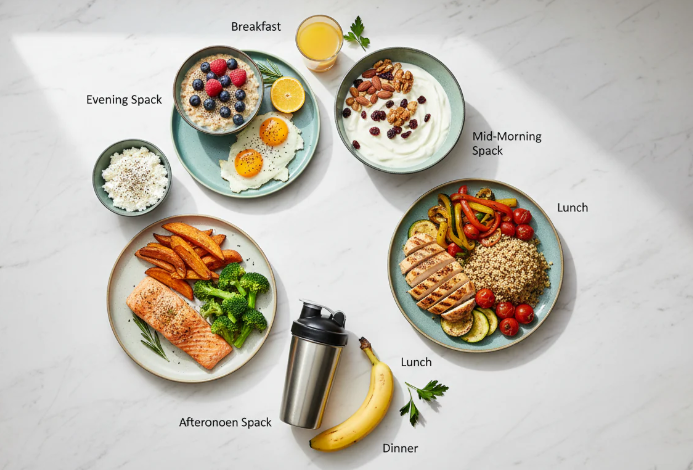
Below is an example of a balanced meal plan designed to support muscle growth:
| Meal Time | Food Choices | Purpose |
|---|---|---|
| Breakfast | Oats with milk and nuts | Energy and protein |
| Mid-Morning | Boiled eggs and fruit | Muscle recovery |
| Lunch | Chicken with brown rice and veggies | Balanced nutrition |
| Evening Snack | Peanut butter sandwich | Sustained energy |
| Dinner | Fish with sweet potato | Protein and carbs |
| Before Bed | Yogurt or milk | Slow protein release |
This plan incorporates a variety of muscle building foods to ensure consistent nutrient intake.
Hydration and Its Impact on Muscle Growth
Water is often overlooked, but it plays a critical role in muscle function.
Why Staying Hydrated Matters
Hydration supports nutrient transport, regulates body temperature, and improves performance. Even mild dehydration can reduce strength and endurance.
Drinking enough water enhances the effectiveness of muscle building foods by helping your body utilize nutrients efficiently.
Common Mistakes That Slow Muscle Growth

Many people struggle to build muscle due to avoidable mistakes.
Lack of Consistency
Skipping meals or not following a structured plan can hinder progress. Consistency is key to long-term success.
Insufficient Protein Intake
Not consuming enough protein limits your body’s ability to repair muscle tissue.
Overeating Junk Food
High-calorie junk food may lead to fat gain rather than muscle growth.
Avoiding these mistakes ensures that your efforts with muscle building foods are not wasted.
Vegetarian and Vegan Muscle Building
Building muscle on a plant-based diet is completely achievable with proper planning.
Key Strategies
Focus on combining different protein sources, increasing calorie intake, and including nutrient-dense foods. Plant-based diets can be just as effective when they include diverse muscle building foods.
Recovery: The Missing Piece of Muscle Growth
Muscle growth does not happen during workouts—it happens during recovery.
How Nutrition Supports Recovery
Consuming the right nutrients after exercise helps reduce soreness and repair muscle fibers. Foods rich in protein, carbohydrates, and antioxidants are especially beneficial.
Quick Muscle Growth Checklist
- Eat protein-rich meals throughout the day
- Maintain a slight calorie surplus
- Stay hydrated at all times
- Prioritize post-workout nutrition
- Get adequate sleep for recovery
FAQs About Muscle Building Nutrition
1. How much protein should I consume daily?
Aim for 1.6 to 2.2 grams of protein per kilogram of body weight.
2. Can I build muscle without supplements?
Yes, whole foods provide all the nutrients needed for muscle growth.
3. Are carbs necessary for muscle gain?
Yes, carbohydrates provide energy and support recovery.
4. How long does it take to see results?
Visible changes usually appear within 4 to 8 weeks with consistency.
5. Is it possible to gain muscle and lose fat together?
Yes, with proper diet and training, body recomposition is achievable.
Conclusion: Build Strength with Smart Nutrition
Building muscle is not about quick fixes or extreme diets. It is about creating a sustainable routine that combines effective training with proper nutrition. By focusing on balanced meals, maintaining consistency, and prioritizing recovery, you can achieve long-term results.
Incorporating the right foods into your daily routine ensures that your body has everything it needs to grow stronger. When you consistently rely on well-balanced nutrition and smart habits, progress becomes inevitable.
Start today by improving your diet, planning your meals, and staying committed to your goals. Your future self will thank you for it.