Simple and Smart Ways to Understand Your Monthly Cycle Flow

Introduction
Understanding your body is one of the most important steps toward better health and self-awareness. Many people go through monthly cycles without fully recognizing the patterns and signals their body provides. Learning how to track menstrual cycle patterns can completely change the way you experience your periods, helping you feel more prepared, confident, and in control.
Tracking your menstrual cycle is not just about marking dates on a calendar. It’s about gaining insight into your hormonal rhythm, identifying changes in your physical and emotional well-being, and using that knowledge to improve your daily life. Whether you want to manage symptoms, understand fertility, or simply stay organized, this guide will help you develop a clear and effective tracking system.
Why Tracking Your Menstrual Cycle Is Important

Tracking your menstrual cycle offers far more benefits than simply predicting your next period. It becomes a tool for understanding your body’s internal clock and recognizing what is normal for you.
When you begin learning how to track menstrual cycle, you start noticing patterns in your energy levels, mood, appetite, and overall health. These patterns can help you plan your work, social activities, and self-care routines more effectively. For example, you might feel more energetic and productive during certain phases, while other days may require rest and relaxation.
Another key benefit is early detection of potential health issues. If your cycle suddenly changes—becoming irregular, unusually painful, or significantly heavier—it could indicate an underlying condition. Tracking helps you spot these changes early, making it easier to seek medical advice when needed.
Additionally, cycle tracking plays a crucial role in fertility awareness. Whether you are trying to conceive or avoid pregnancy naturally, understanding your cycle gives you valuable information about ovulation and fertile windows.
Understanding the Menstrual Cycle in Detail
Before diving deeper into tracking methods, it is essential to understand how the menstrual cycle works. The cycle is a natural hormonal process that prepares the body for pregnancy each month.
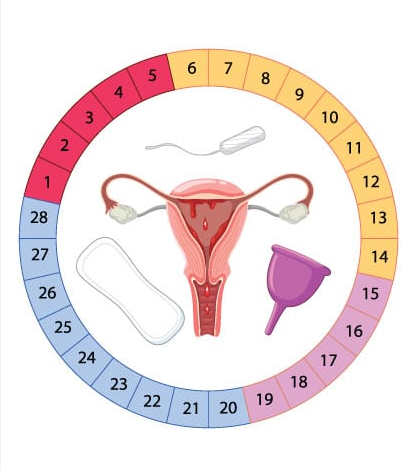
A typical menstrual cycle lasts between 21 and 35 days, although this can vary from person to person. The first day of your period is considered Day 1 of your cycle. From there, your body goes through several phases, each controlled by different hormones.
The menstrual cycle is not just about bleeding. It is a continuous process involving the brain, ovaries, and uterus working together. Hormones such as estrogen and progesterone rise and fall throughout the cycle, influencing everything from your mood to your skin.
Understanding these changes is the foundation of learning how to track menstrual cycle effectively.
The Four Phases of the Menstrual Cycle
Menstrual Phase
This phase begins on the first day of your period. During this time, the body sheds the uterine lining, resulting in menstrual bleeding. It usually lasts between three to seven days.
Physically, you may experience cramps, fatigue, or lower back pain. Emotionally, some people feel more withdrawn or sensitive. This phase is often associated with lower energy levels, making it a good time for rest and gentle activities.
Follicular Phase
The follicular phase starts on the first day of your period and continues until ovulation. During this phase, the body begins preparing for the release of an egg.
Hormone levels, particularly estrogen, start to rise. This often leads to increased energy, improved mood, and better focus. Many people find this phase ideal for starting new projects or engaging in creative activities.
Ovulation Phase
Ovulation is the point in your cycle when an egg is released from the ovary. This usually occurs around the middle of the cycle, though it can vary.
This phase is significant because it represents the most fertile window. You may notice physical signs such as increased cervical mucus, slight abdominal discomfort, or a boost in confidence and sociability.
Understanding ovulation is a key part of mastering how to track menstrual cycle, especially for fertility awareness.
Luteal Phase
After ovulation, the body enters the luteal phase. During this time, progesterone levels rise to prepare the body for a possible pregnancy.
If pregnancy does not occur, hormone levels drop, leading to the start of the next menstrual phase. This phase is often associated with premenstrual symptoms such as bloating, mood swings, and cravings.
Different Methods to Track Your Menstrual Cycle

There is no one-size-fits-all approach to tracking your cycle. The best method depends on your lifestyle, preferences, and goals.
Calendar Tracking Method
The calendar method is one of the simplest ways to track your cycle. You mark the first day of your period each month and count the days until your next period begins.
Over time, this method helps you identify patterns and estimate future cycles. While it may not be highly precise for ovulation tracking, it is a great starting point for beginners learning how to track menstrual cycle.
Using Mobile Applications
Mobile apps have made cycle tracking easier than ever. These apps allow you to log your period dates, symptoms, mood, and other details in one place.
They use algorithms to predict your next period and ovulation window based on your data. While convenient, it’s important to remember that predictions are estimates and may not always be accurate.
Basal Body Temperature Tracking
Basal body temperature (BBT) tracking involves measuring your temperature every morning before getting out of bed. After ovulation, your body temperature rises slightly.
By recording these changes daily, you can identify when ovulation has occurred. This method requires consistency and patience but provides valuable insights over time.
Cervical Mucus Observation
Your body produces different types of cervical mucus throughout the cycle. Observing these changes can help you identify fertile and non-fertile days.
For example, clear and stretchy mucus often indicates ovulation, while thicker or dry mucus suggests non-fertile phases. This natural method is an important aspect of understanding how to track menstrual cycle.
Ovulation Predictor Kits
Ovulation kits detect hormone surges in your urine, helping you pinpoint ovulation more accurately. These kits are especially useful for those trying to conceive.
They provide quick results and are generally reliable, but they can be more expensive compared to other methods.
Comparison Table of Tracking Methods
| Method | Accuracy | Ease of Use | Cost | Best For |
|---|---|---|---|---|
| Calendar Method | Moderate | Easy | Free | Beginners |
| Mobile Apps | High | Very Easy | Free/Paid | Convenience |
| Basal Body Temperature | High | Moderate | Low | Ovulation tracking |
| Cervical Mucus Tracking | Moderate | Moderate | Free | Natural tracking |
| Ovulation Kits | Very High | Easy | Medium | Fertility planning |
What You Should Record Daily
Tracking your menstrual cycle becomes more effective when you record more than just dates. Adding details provides a fuller picture of your health.
You can note the intensity of your flow, whether it is light, moderate, or heavy. Recording physical symptoms such as cramps, headaches, or fatigue helps identify recurring patterns. Mood tracking is equally important, as hormonal changes can influence emotions significantly.
Sleep quality, diet, and stress levels can also impact your cycle. Including these details helps you understand how lifestyle factors affect your body.
Lifestyle Factors That Influence Your Cycle
Your menstrual cycle is sensitive to changes in your environment and lifestyle. Stress is one of the most common factors that can disrupt your cycle. High stress levels can delay ovulation or even cause missed periods.
Diet also plays a crucial role. Nutrient deficiencies or drastic changes in eating habits can affect hormone production. Regular exercise supports hormonal balance, but excessive physical activity may lead to irregular cycles.
Understanding these influences is essential when learning how to track menstrual cycle, as it helps explain variations in your cycle.
Recognizing a Healthy vs Irregular Cycle
A healthy menstrual cycle typically falls within a consistent range each month. Slight variations are normal, but major changes may require attention.
If your periods are consistently too short, too long, or unpredictable, it could indicate an imbalance. Similarly, extremely heavy bleeding or severe pain should not be ignored.
Tracking helps you distinguish between normal variations and potential health concerns.
Common Mistakes to Avoid While Tracking
Many people start tracking enthusiastically but make small mistakes that reduce accuracy. One common issue is inconsistency. Skipping days or forgetting to log information can disrupt your data.
Another mistake is relying solely on app predictions without observing physical signs. While apps are helpful, they cannot replace your body’s natural signals.
Ignoring symptoms is also a mistake. Symptoms provide valuable clues about your hormonal health and should always be recorded.
Emotional and Mental Awareness During Your Cycle

Hormonal changes throughout your cycle can significantly impact your emotions. You may feel more confident and energetic during some phases, while other phases may bring sensitivity or irritability.
Understanding these patterns allows you to plan your activities accordingly. For example, you might schedule important tasks during high-energy phases and reserve rest during low-energy days.
This awareness is an important part of mastering how to track menstrual cycle effectively.
Tracking for Fertility and Family Planning
One of the most practical uses of cycle tracking is fertility awareness. By identifying ovulation and fertile windows, you can plan or prevent pregnancy naturally.
Tracking methods such as BBT and cervical mucus observation are particularly useful for this purpose. Combining multiple methods increases accuracy and confidence.
How Long Should You Track Your Cycle
Cycle tracking is most effective when done consistently over time. While you may notice patterns within a few months, long-term tracking provides deeper insights.
Three months is usually enough to identify basic patterns. Six months offers a clearer understanding, and a year of tracking gives a comprehensive view of your cycle.
Quick Guide to Tracking Your Cycle
Daily Routine:
- Mark cycle day
- Record symptoms and mood
- Note flow intensity
Weekly Check-In:
- Observe changes
- Identify patterns
Monthly Review:
- Compare cycle length
- Analyze consistency
FAQs About Menstrual Cycle Tracking
Is it necessary to track my cycle every day?
Yes, daily tracking provides the most accurate insights and helps identify patterns more clearly.
Can irregular cycles still be tracked?
Absolutely. Tracking is even more important for irregular cycles, as it helps identify triggers and patterns.
What is the easiest way to start tracking?
Using a calendar or mobile app is the simplest way for beginners learning how to track menstrual cycle.
Does tracking help with PMS management?
Yes, it helps you anticipate symptoms and prepare with lifestyle adjustments.
Can I rely only on apps for tracking?
Apps are helpful, but combining them with physical observations improves accuracy.
Conclusion: Take Charge of Your Cycle with Confidence
Learning how to track menstrual cycle is not just about managing periods—it’s about understanding your body on a deeper level. It empowers you to recognize patterns, anticipate changes, and make informed decisions about your health.
By choosing a tracking method that suits your lifestyle and staying consistent, you can gain valuable insights into your physical and emotional well-being. Over time, this knowledge becomes a powerful tool that helps you feel more connected to your body.
Start today with a simple approach, stay committed, and gradually build your tracking habit. With patience and awareness, your menstrual cycle will no longer feel unpredictable—it will become a guide that supports your overall health and balance.