Understanding Signs and Causes of Hormonal Health Issues

Introduction
Hormones are the body’s internal communication system, working quietly behind the scenes to regulate nearly every function that keeps you alive and functioning. From how you feel emotionally to how your body stores fat, hormones influence it all. When they are balanced, your body operates smoothly. But when they are not, the effects can be confusing, frustrating, and sometimes overwhelming.
Many people ignore early warning signs because they seem minor or unrelated. However, recognizing hormonal imbalance symptoms at an early stage can help prevent more serious health issues down the line. This comprehensive guide will help you understand what hormonal imbalance is, why it happens, and what you can do about it.
What Is a Hormonal Imbalance?
A hormonal imbalance occurs when there is too much or too little of one or more hormones in the bloodstream. Since hormones regulate so many critical processes, even a small shift can have noticeable consequences.
Hormones are produced by glands in the endocrine system, including the thyroid, adrenal glands, pancreas, and reproductive organs. Each hormone has a specific role, but they also work together. When one hormone is out of balance, it can disrupt the entire system.
For example, if cortisol (the stress hormone) is consistently high, it can affect sleep, metabolism, and even reproductive hormones. This interconnected nature is why hormonal imbalance symptoms often appear in multiple areas of your health simultaneously.
Why Hormonal Balance Is Essential for Overall Health
Hormones influence your daily life more than you may realize. They regulate energy levels, appetite, mood, sleep cycles, and even body temperature. When everything is functioning properly, you feel stable and in control.
However, when hormones become imbalanced, the body struggles to maintain equilibrium. You may feel tired despite sleeping well, gain weight without dietary changes, or experience mood swings that seem out of character.
Ignoring these signs can lead to long-term complications such as metabolic disorders, reproductive issues, and chronic fatigue. That is why understanding hormonal imbalance symptoms is crucial for maintaining long-term health.
Most Common Hormonal Imbalance Symptoms
Your body communicates through signals. These signals may seem unrelated at first, but together they often point toward a hormonal issue.
1. Unexplained Weight Changes
One of the most common signs of hormonal disruption is sudden weight gain or loss without changes in diet or activity.
Hormones like insulin and thyroid hormones play a major role in metabolism. When they are imbalanced, your body may store more fat or burn energy inefficiently.
2. Persistent Fatigue
Feeling tired all the time, even after a full night’s sleep, is a key warning sign.
Low thyroid hormone levels or adrenal fatigue can leave your body lacking the energy it needs to function properly. This type of fatigue often feels deeper than regular tiredness.
3. Mood Swings and Emotional Changes
Hormones directly affect brain chemistry, which is why emotional changes are common.
Fluctuations in estrogen, progesterone, and cortisol can lead to anxiety, irritability, or even depression. These changes may occur without any obvious external cause.
4. Irregular Menstrual Cycles
For women, menstrual irregularities are one of the clearest indicators of hormonal imbalance.
Periods that are too frequent, too rare, or unusually heavy can signal issues with reproductive hormones. Conditions like PCOS are often linked to these hormonal imbalance symptoms.
5. Sleep Disturbances
Hormones like melatonin and cortisol regulate your sleep cycle.
If these hormones are out of balance, you may struggle to fall asleep, wake up frequently during the night, or feel unrested in the morning.
6. Skin Problems
Your skin often reflects what is happening internally.
Acne, dryness, or excessive oil production can be caused by hormonal fluctuations, particularly changes in androgen levels.
7. Hair Changes
Hair thinning or hair loss can be linked to hormonal issues, especially thyroid imbalances.
On the other hand, excessive hair growth in unusual areas may indicate elevated androgen levels.
8. Digestive Issues
Hormones also influence the digestive system.
Imbalances can lead to bloating, constipation, or irregular bowel movements, often without a clear dietary cause.
Key Hormones and Their Functions
Understanding the roles of major hormones can help you identify where things might be going wrong.
| Hormone | Primary Role | Common Imbalance Effects |
|---|---|---|
| Estrogen | Reproductive health | Mood swings, irregular periods |
| Progesterone | Pregnancy and cycle regulation | Anxiety, sleep issues |
| Testosterone | Muscle and libido | Low energy, reduced strength |
| Thyroid | Metabolism control | Weight gain/loss, fatigue |
| Insulin | Blood sugar regulation | Cravings, weight gain |
| Cortisol | Stress response | Anxiety, insomnia |
This table helps connect specific hormones to the hormonal imbalance symptoms you might be experiencing.
What Causes Hormonal Imbalance?

Hormonal imbalances can be triggered by various internal and external factors. Understanding these causes is the first step toward prevention.
1. Chronic Stress
Stress is one of the most significant contributors to hormonal issues.
When you are stressed, your body produces more cortisol. Over time, this can disrupt other hormones and lead to fatigue, weight gain, and mood changes.
2. Poor Diet
A diet high in processed foods and sugar can negatively affect hormone levels.
Nutrient deficiencies can also prevent the body from producing hormones efficiently, worsening hormonal imbalance symptoms.
3. Lack of Physical Activity
A sedentary lifestyle can reduce insulin sensitivity and slow metabolism.
Regular exercise helps regulate hormones and improves overall balance.
4. Sleep Deprivation
Sleep is essential for hormone regulation.
Without adequate rest, hormones like cortisol and melatonin become disrupted, leading to a cycle of poor sleep and fatigue.
5. Medical Conditions
Certain conditions are directly linked to hormonal imbalances, including:
- Polycystic ovary syndrome (PCOS)
- Diabetes
- Thyroid disorders
These conditions often require medical treatment for proper management.
6. Aging and Life Stages
Hormonal changes naturally occur during puberty, pregnancy, and menopause.
While these changes are normal, they can still cause noticeable symptoms that need to be managed.
Hormonal Imbalance in Women
Women experience more frequent hormonal fluctuations due to their reproductive cycle.
Common Signs
- Irregular periods
- Severe PMS
- Weight gain in lower body
- Low libido
These hormonal imbalance symptoms can vary in intensity depending on life stage and overall health.
Hormonal Imbalance in Men
Men also experience hormonal changes, particularly with age.
Common Signs
- Reduced muscle mass
- Fatigue
- Mood changes
- Decreased libido
Testosterone levels gradually decline, which can impact both physical and mental health.
How Hormonal Imbalance Is Diagnosed
If you suspect a hormonal issue, proper diagnosis is essential.
Doctors typically use:
- Blood tests to measure hormone levels
- Physical examinations
- Medical history review
Tracking your symptoms over time can also help identify patterns related to hormonal imbalance symptoms.
Natural Ways to Restore Hormonal Balance
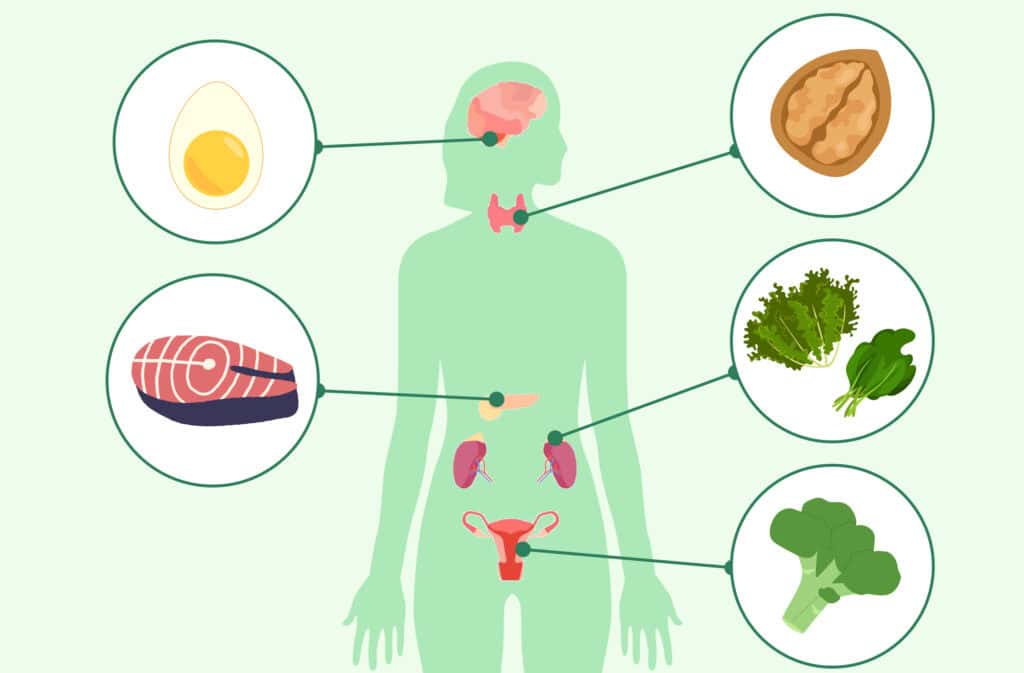
Lifestyle changes are often the first step in improving hormone health.
1. Eat a Balanced Diet
Focus on whole foods such as fruits, vegetables, lean proteins, and healthy fats.
These nutrients support hormone production and reduce inflammation.
2. Exercise Regularly
Physical activity helps regulate insulin and reduce stress hormones.
Even simple activities like walking can make a difference.
3. Manage Stress Effectively
Stress management techniques like meditation, yoga, and deep breathing are highly effective.
Reducing stress can significantly improve hormonal imbalance symptoms.
4. Prioritize Sleep
Aim for consistent, high-quality sleep each night.
Good sleep habits help reset hormonal cycles and improve energy levels.
5. Stay Hydrated
Water is essential for overall body function, including hormone regulation.
Dehydration can worsen fatigue and other symptoms.
Medical Treatments and Interventions
When lifestyle changes are not enough, medical treatments may be necessary.
Common Options
- Hormone replacement therapy
- Medications for thyroid or insulin regulation
- Birth control for menstrual issues
These treatments are designed to address the root cause of hormonal imbalance symptoms rather than just masking them.
Signs You Should Not Ignore
Important Warning Signs:
- Constant fatigue
- Sudden weight changes
- Mood swings
- Sleep disturbances
- Irregular periods
If you experience multiple symptoms together, it may indicate a deeper hormonal issue.
FAQs
1. What are the first signs of hormonal imbalance?
Early signs include fatigue, mood swings, and slight weight changes. These symptoms often develop gradually and can be easy to overlook.
2. Can hormonal imbalance be cured naturally?
In many cases, lifestyle changes such as diet, exercise, and stress management can significantly improve hormone balance.
3. How long does recovery take?
It depends on the cause. Some people see improvements within weeks, while others may take months.
4. Is hormonal imbalance common?
Yes, it is very common and can affect people of all ages due to lifestyle, stress, or medical conditions.
5. Should I see a doctor immediately?
If symptoms are persistent or severe, it is important to seek medical advice for proper diagnosis and treatment.
Conclusion: Take Charge of Your Hormonal Health
Your hormones play a crucial role in shaping how you feel every day. From energy levels to emotional well-being, they influence nearly every aspect of your life. Ignoring the signs can lead to bigger health challenges, but the good news is that most hormonal issues are manageable.
Start by paying attention to your body and recognizing early warning signs. Small lifestyle changes can make a big difference, and professional guidance can help you find the right path forward.
Understanding and addressing hormonal imbalance symptoms is not just about treating problems—it is about creating a healthier, more balanced life for the long term.